Is 'Precipice' a True Story? The Robert Harris Novel, Fact-Checked
A guide to the historical reality behind the characters and events in Robert Harris's 2024 novel.
The Venetia Project is a digital archive and audio series dedicated to the real letters between H.H. Asquith and Venetia Stanley. Below, we fact-check Robert Harris's novel against the primary sources.
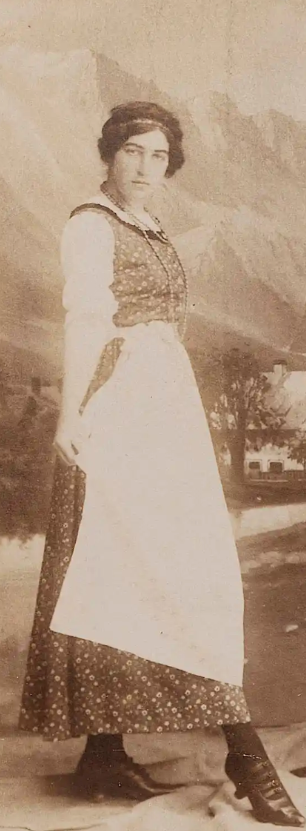
Is Precipice by Robert Harris based on a true story?
The Short Answer: Yes, but it is historical fiction.
Robert Harris built Precipice around real people and documented events, especially the letters between Prime Minister H.H. Asquith and Venetia Stanley.
This page separates what is historically verified from what is dramatized for the novel.
Are the Asquith-Venetia Stanley Letters Real?
The Short Answer: Yes, and they are even more extraordinary than the novel suggests.
H.H. Asquith wrote to Venetia Stanley up to three times a day, often while sitting at the Cabinet table. Over 500 of these letters survive.
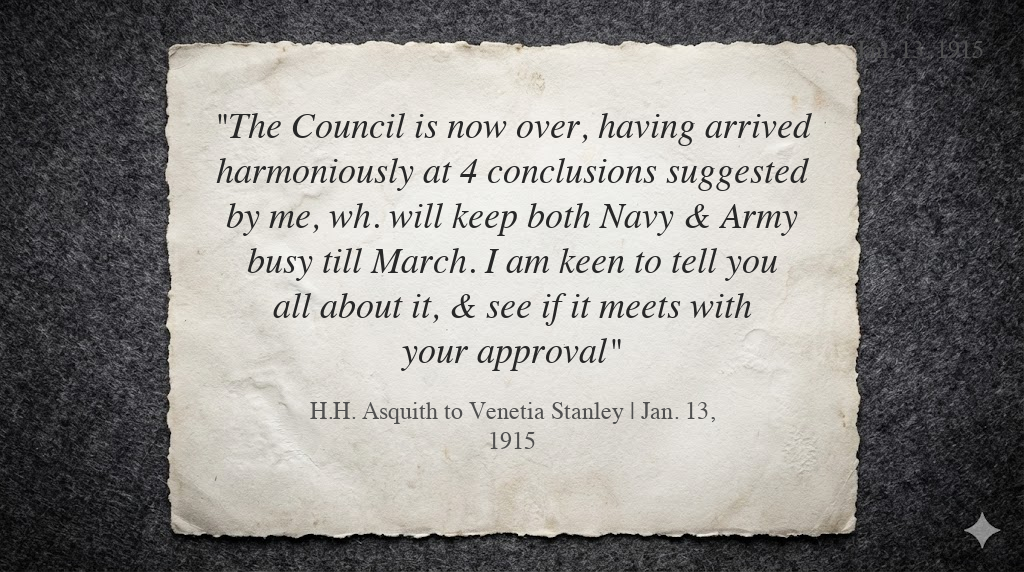
What makes Precipice so compelling is that Harris uses many of Asquith's actual words. The Prime Minister really did share top-secret telegrams, discussed the movements of the fleet, and revealed the inner workings of his Cabinet to a woman half his age.
Was Paul Deemer a Real Person?
The Short Answer: No.
Paul Deemer, the young intelligence officer who intercepts the letters in Precipice, is a fictional creation. While the surveillance of mail was a reality during WWI, Deemer himself and his specific role in the story are invented by Harris to provide a narrative lens through which we view the affair.
However, Harris bases the practice of letter interception on historical reality. The Home Office and military intelligence did monitor communications, especially as the "Shells Scandal" and political leaks became a matter of national security.
Why did Venetia Stanley Convert to Judaism?
In 1915, Venetia Stanley shocked Asquith and her social circle by announcing her engagement to Edwin Montagu, a Jewish Cabinet minister and one of Asquith's protégés.
The conversion was a legal and family requirement. Edwin's father, Lord Swaythling, had left a will that disinherited any of his children who married outside the Jewish faith or failed to remain "professing Jews." To marry Edwin and preserve his inheritance (and social standing), Venetia underwent a formal conversion.
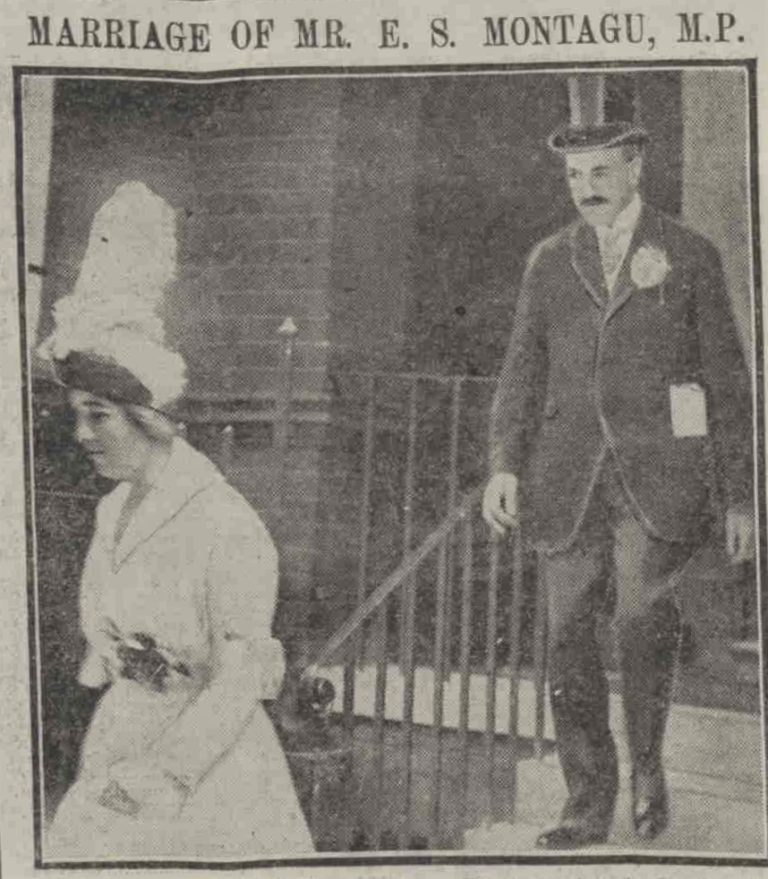
Historians often debate whether Venetia married Edwin out of love, or as a desperate "escape hatch" from the overwhelming intensity of Asquith's obsession.
COMPANION AUDIO SERIES
Press play to hear the true story about the letters, the affair, and the historical context that inspired Robert Harris's novel.
The Shells Scandal and the 1915 Government Collapse
The "Shells Scandal" depicted in the book—where the Daily Mail exposed a desperate shortage of munitions on the Front—is entirely historical.
The crisis, combined with the resignation of Admiral Lord Fisher over the Dardanelles (Gallipoli) campaign, forced Asquith to dissolve his Liberal government and form a Coalition. This moment marked the beginning of the end for the traditional Liberal Party and is a central pivot point in Precipice.
Read more about the Shells ScandalWas the affair physical?
The Short Answer: We don't know for sure.
Most historians believe the relationship was deeply emotional but likely not physical in the modern sense. Asquith was known for "hand-holding" and being physically affectionate in a way that would be seen as inappropriate today, but the letters suggest a man who was "in love" with an idea and a confidante rather than a physical mistress.
Harris's novel explores the tension and the potential for a more scandalous connection, but stays largely within the bounds of the historical ambiguity that exists in the letters.
Read more about PM Asquith and Venetia Stanley's Friday drivesDid Asquith share secret codes?
The Short Answer: Yes.
Asquith enclosed "flimsies" (carbon copies of secret telegrams) and reported the contents of "The Box" (Cabinet papers) to Venetia.
In one instance, he even asked her for advice on whether to go ahead with the Dardanelles expedition. His obsession with her was so great that he prioritized his correspondence with her over his duty to keep state secrets.
Did Asquith really throw secrets out of a car window?
The Short Answer: Yes.
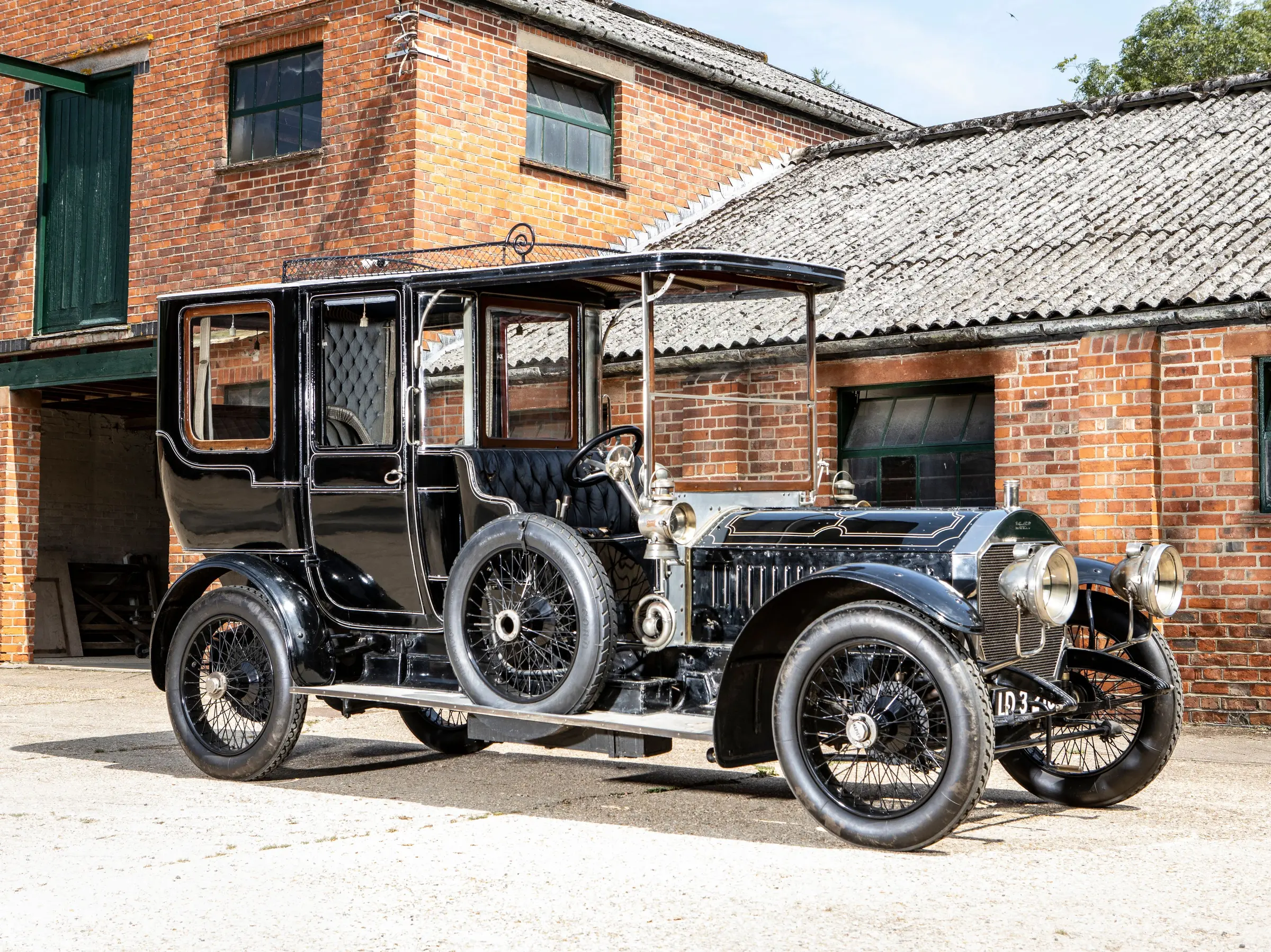
Prime Minister H.H. Asquith did throw secret documents out of a car window, an incident he admitted to in a private letter to Venetia Stanley.
Do you remember remembering with me for throwing out of the window that little rolled up ball of 'flimsy' as we drove thro' Roehampton lane on Sat?
Did he write during Cabinet meetings?
The Short Answer: Yes.
H.H. Asquith frequently wrote personal letters, particularly to Venetia Stanley, during official government meetings. Biographers and historians analyzing his correspondence have identified that out of a collection of 425 letters, at least 15 were written in part while Asquith was "on duty": 4 during Cabinet discussions, 3 during committee meetings, 1 during a Committee of Imperial Defence meeting, 1 during a War Council session, and 6 from the Treasury Bench in the House of Commons
What happened to Venetia Stanley after the book?
Following her marriage to Edwin Montagu in 1915, Venetia moved away from the center of Asquith's world. She and Edwin had one daughter, Judith, though rumors persisted that Judith's biological father might have been someone else (possibly William Humble Ward, 2nd Earl of Dudley).
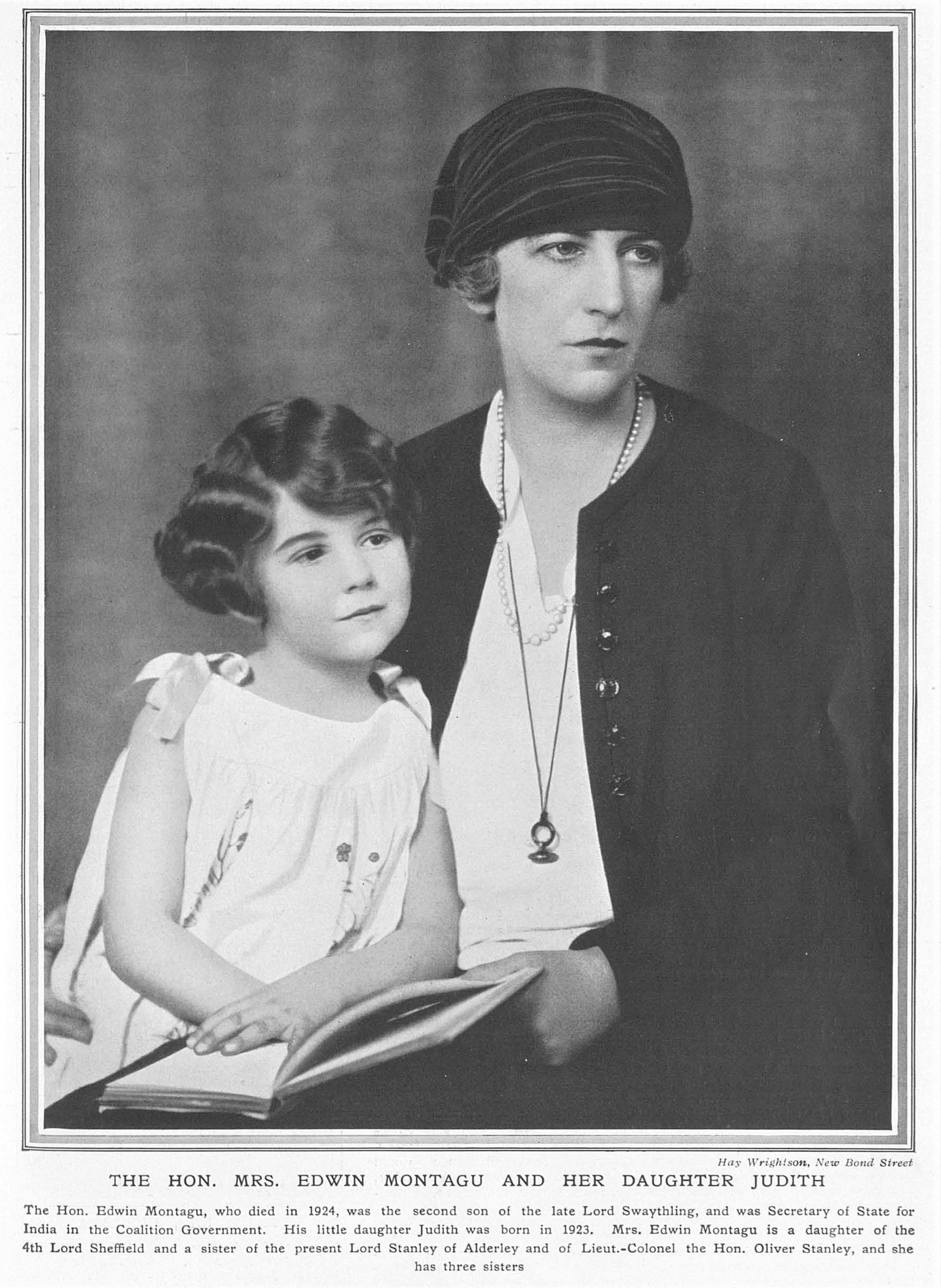
After Edwin's early death in 1924, Venetia lived a colorful, independent life, traveling widely and remaining a fixture in British social circles until her death in 1948.
Read more about Venetia Stanley's life after announcing her engagement to Edwin Montagu in 1915Is the painting of Venetia Stanley as a nurse real?
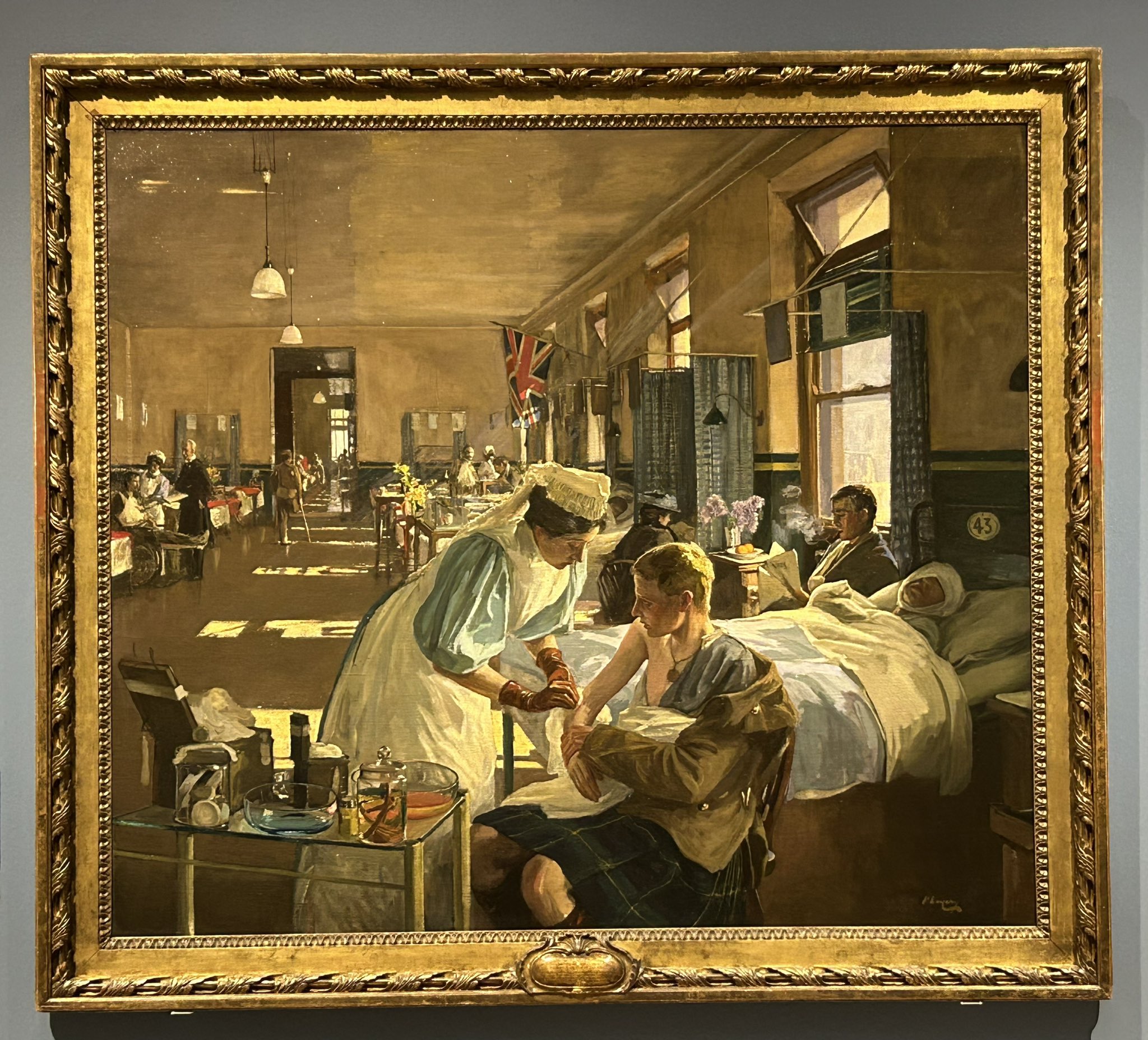
The Short Answer: The attribution is uncertain.
It's often linked to Venetia, but the identification isn't consistently sourced.
The painting is frequently associated with Venetia in modern reproductions, but the attribution is not uniformly sourced across references.
The safest framing is that it captures the wartime mood around her, while remaining an uncertain identification rather than a confirmed portrait.
Beyond the Novel: Six Untold Stories from the Archive
If you finished Robert Harris's Precipice and want to know what the history books (and novels) left out, join us at
Read on Substack