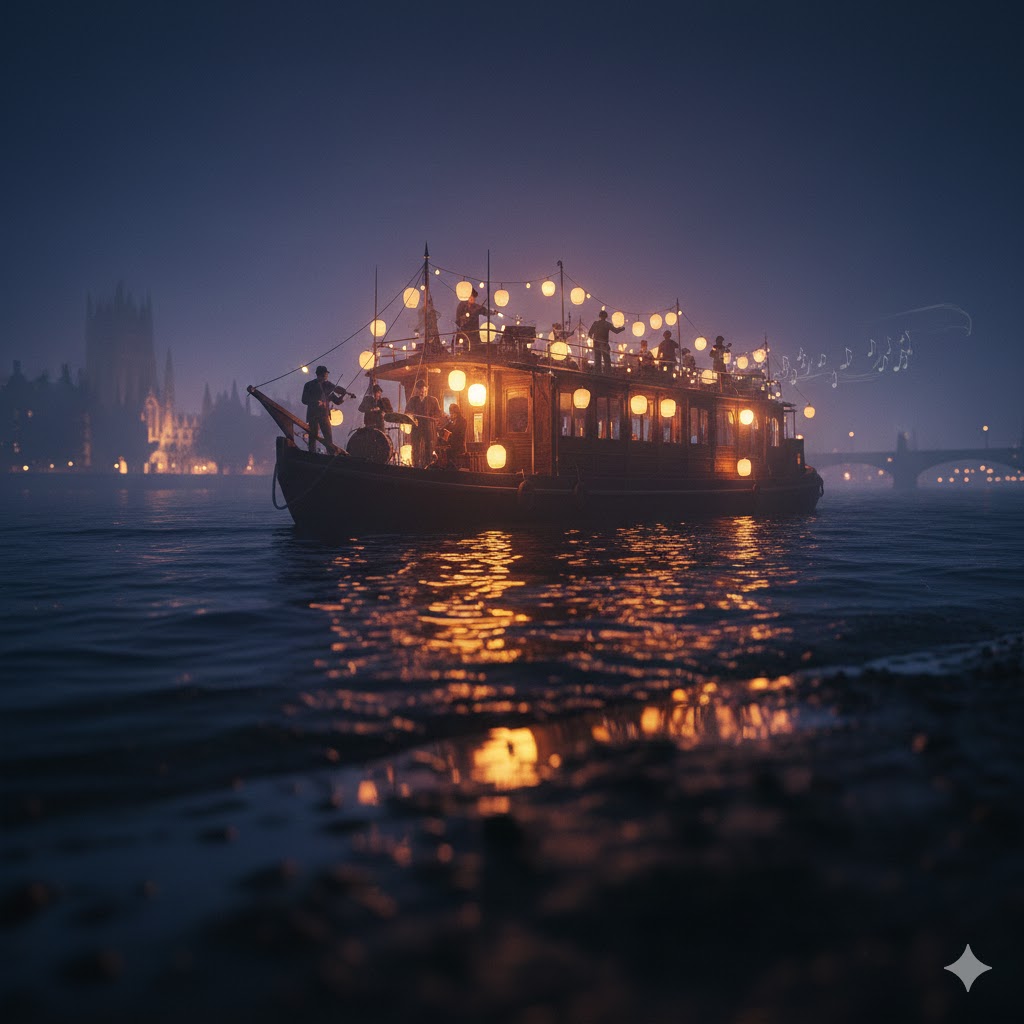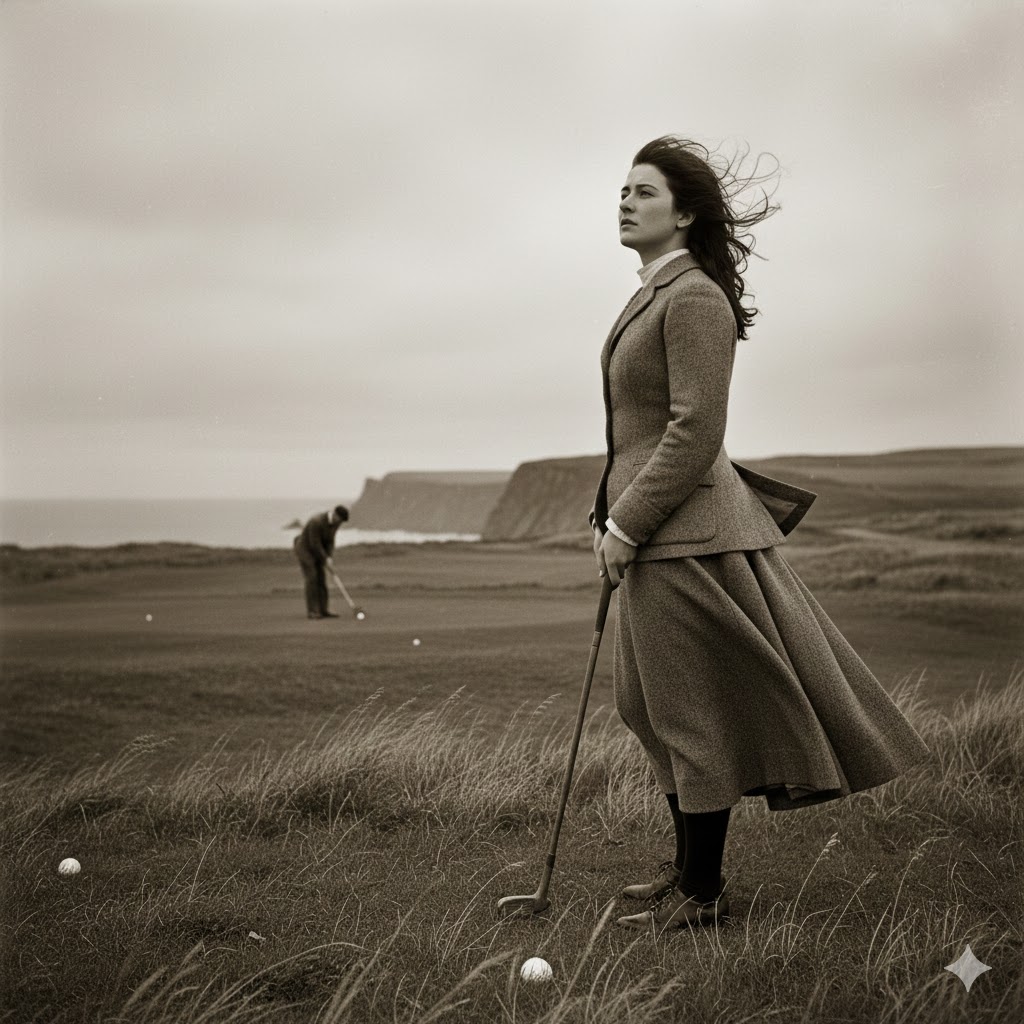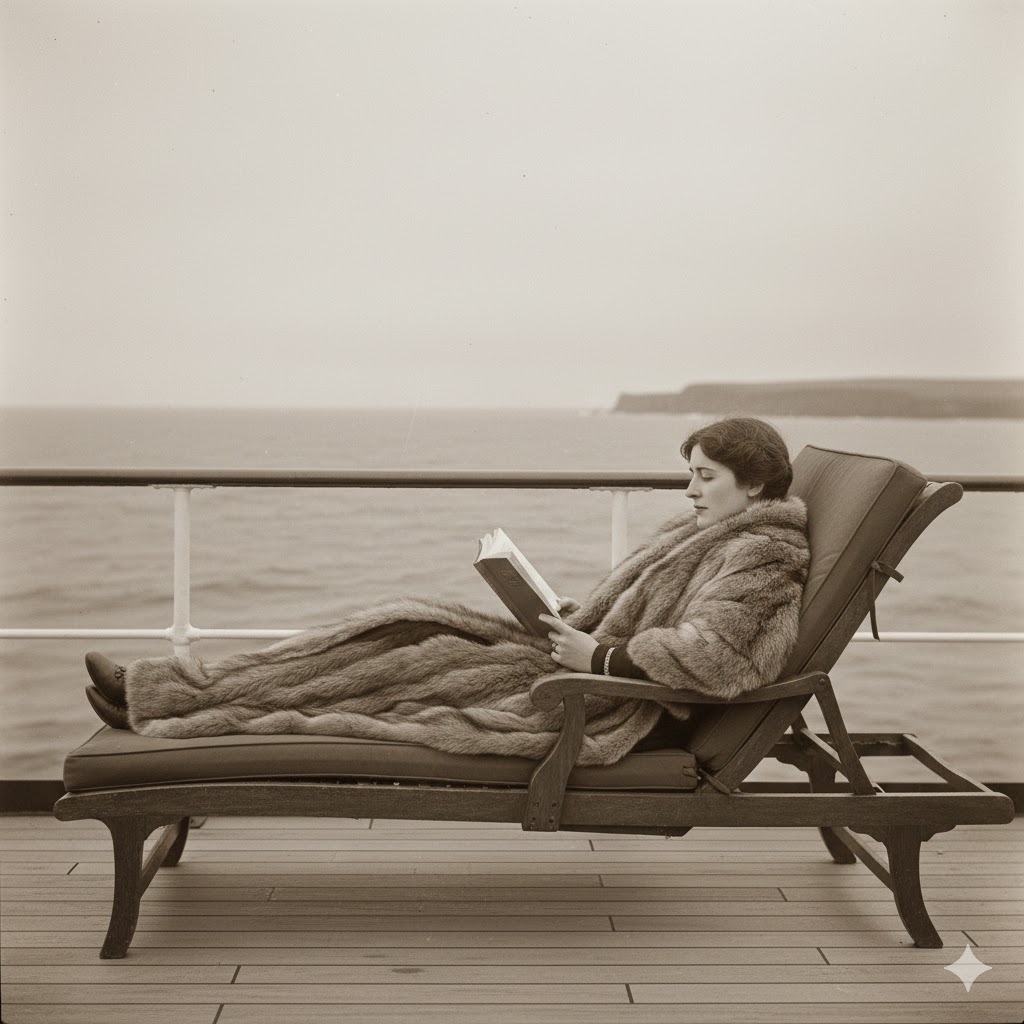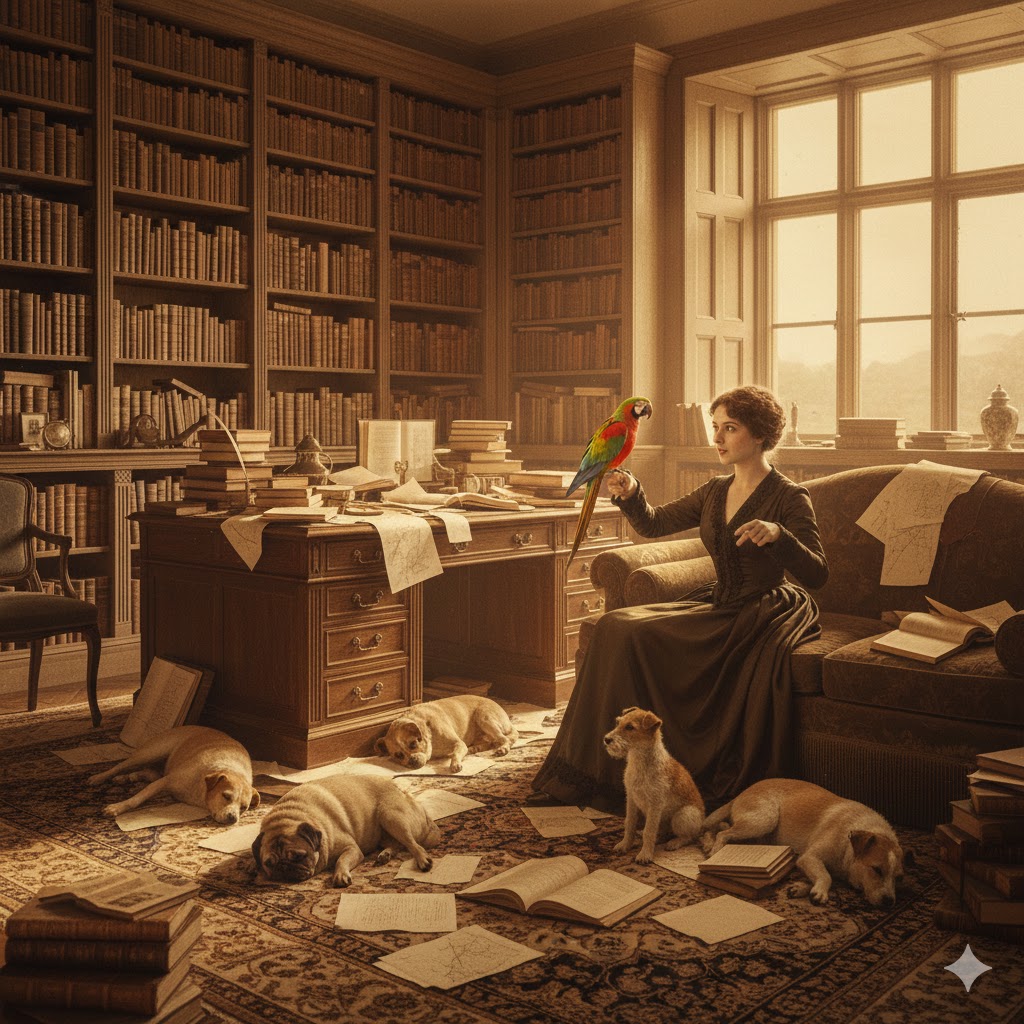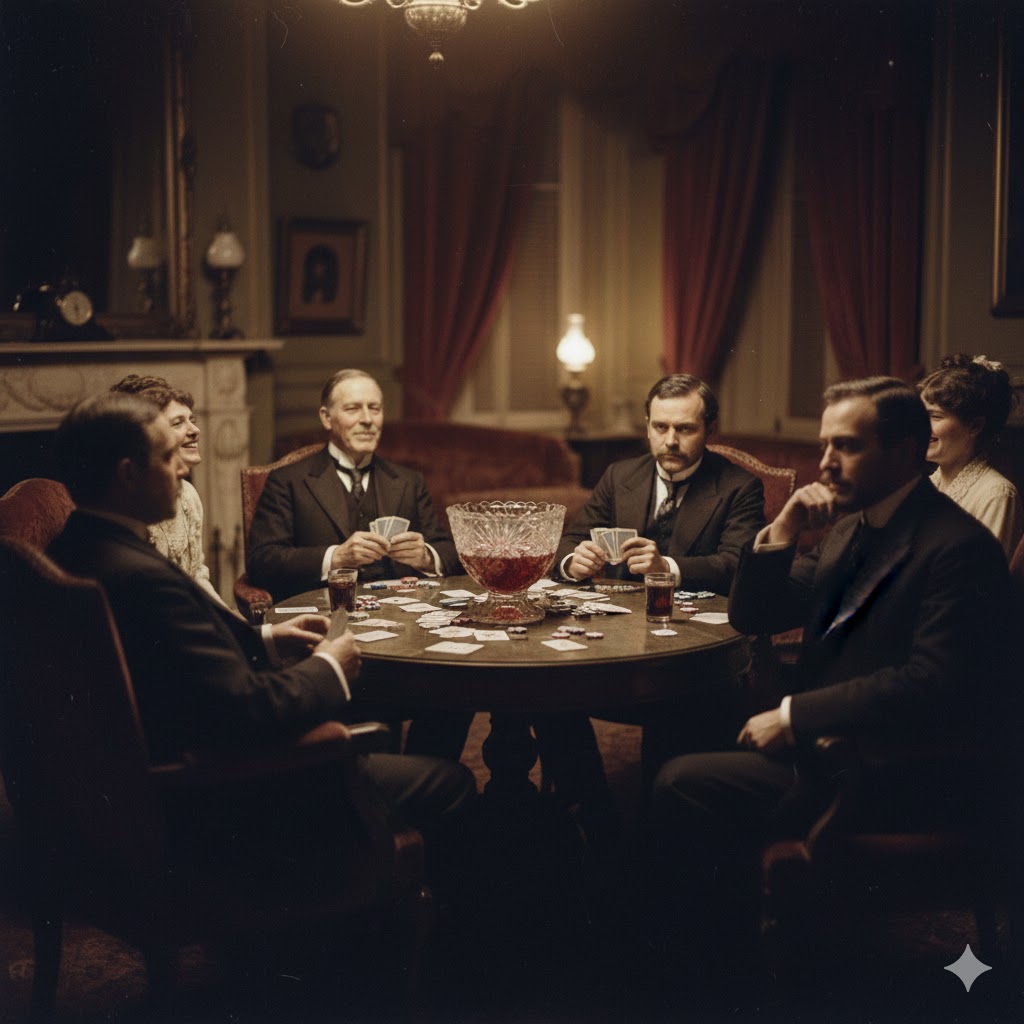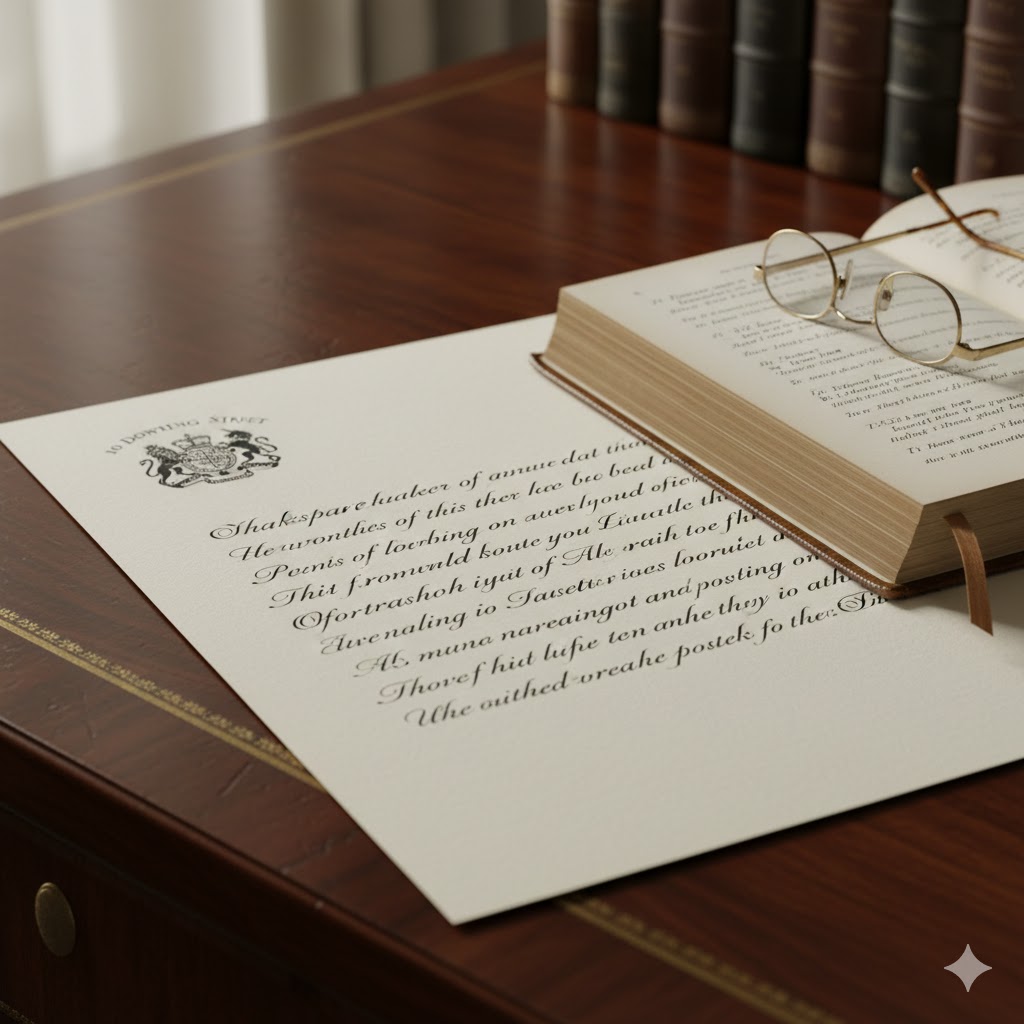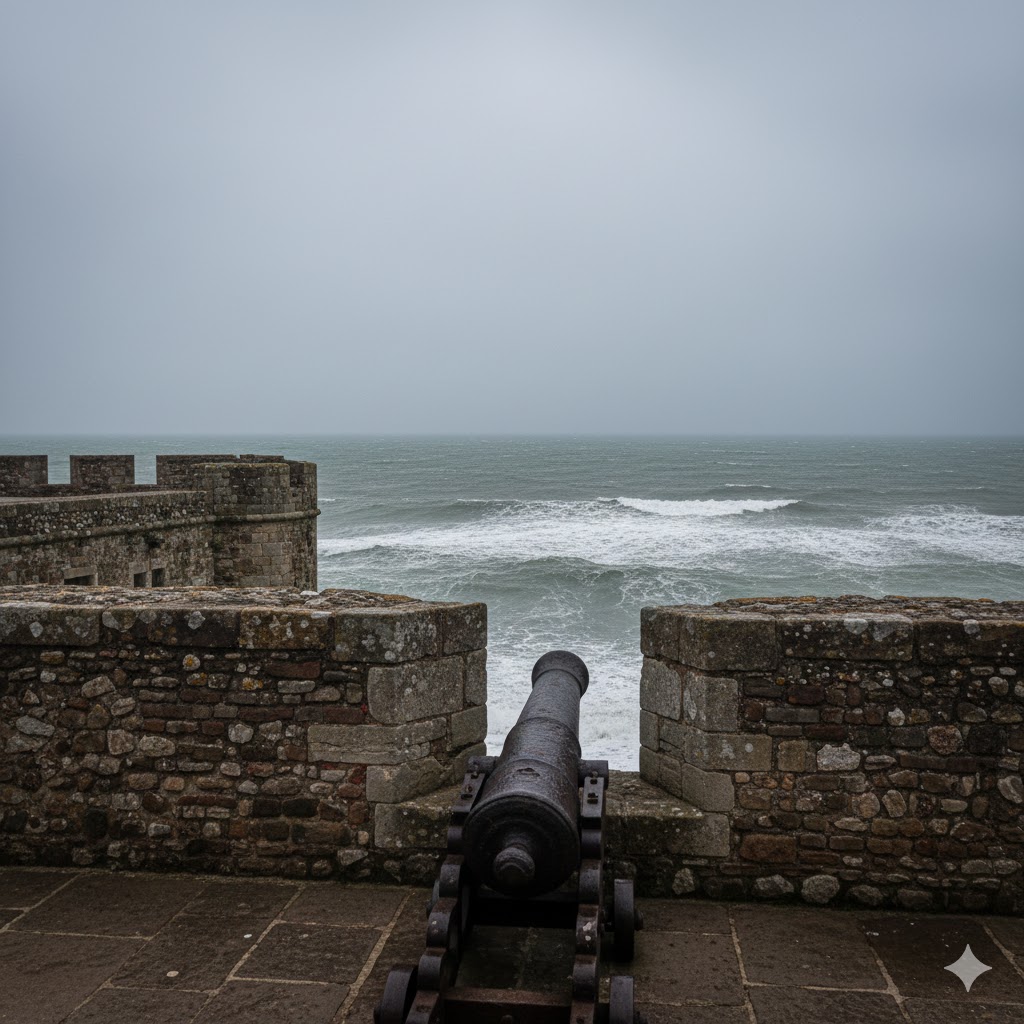
01. Generative Correspondence
What is this?
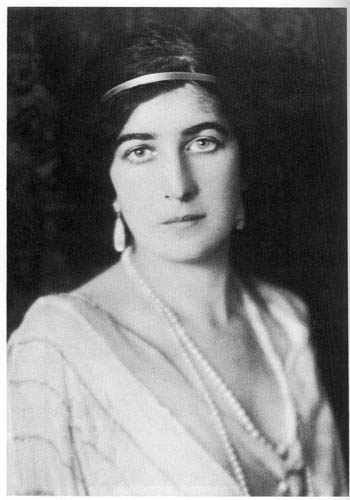
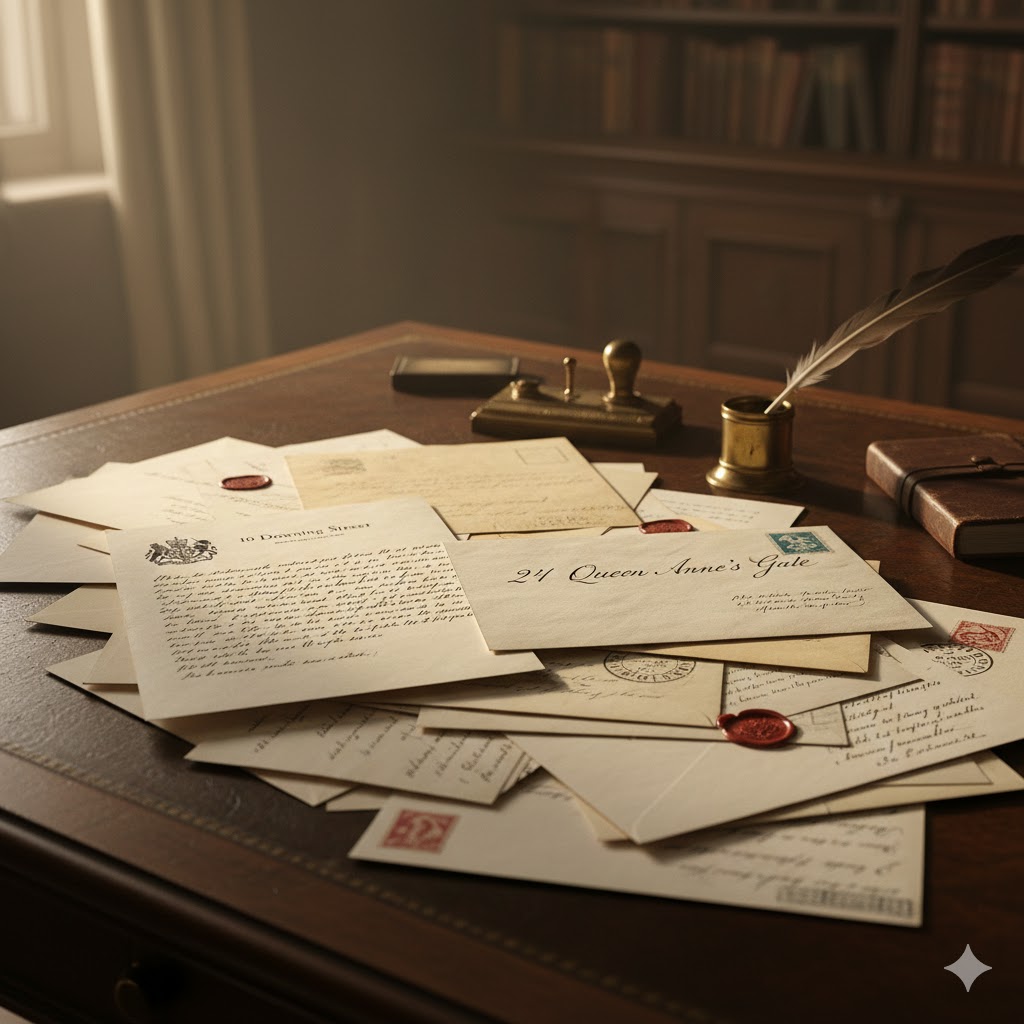
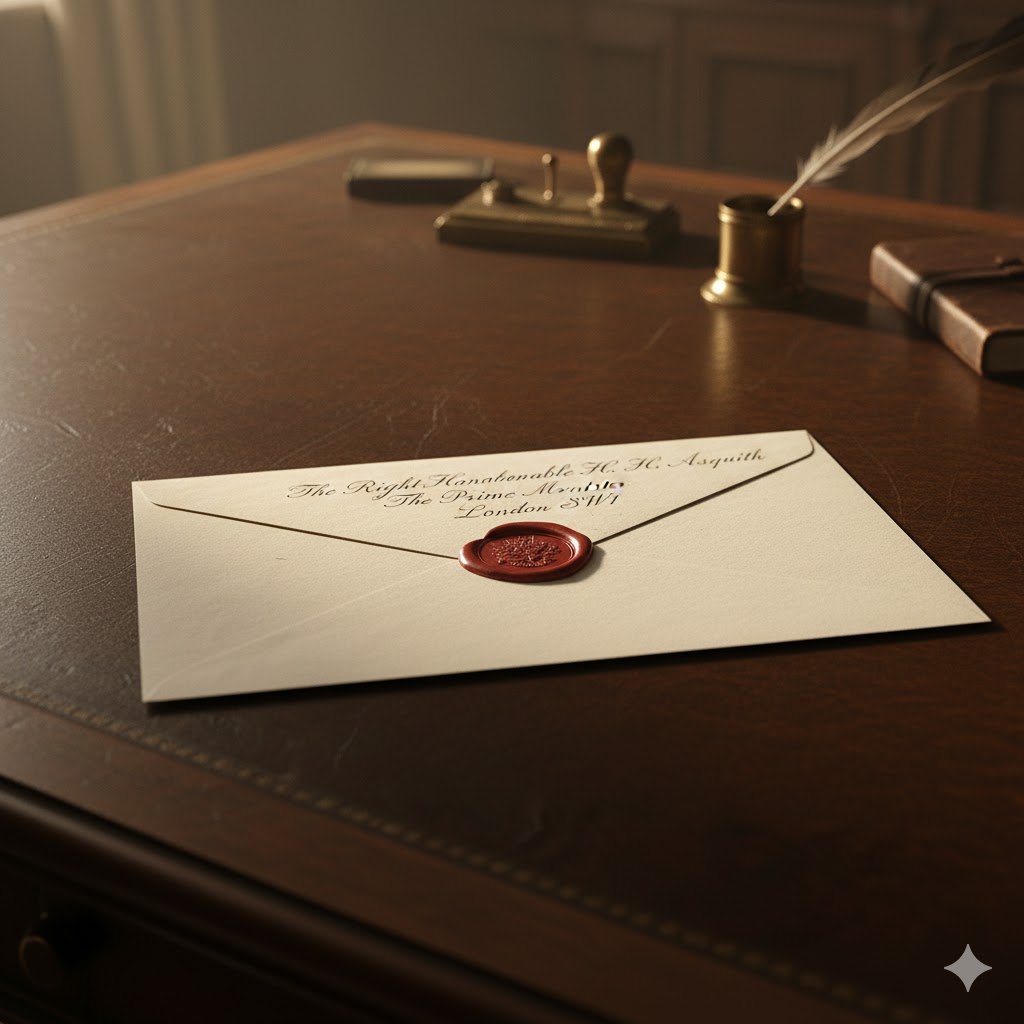
This section reconstructs three of Venetia Stanley's lost letters to H.H. Asquith by analyzing his responses. The historical record preserves Asquith's letters, but Venetia's side of the correspondence was destroyed. By carefully examining what Asquith quotes, references, and responds to, we can infer the content and tone of her original letters.
Why did we do this?
Because sometimes it is easier to imagine Venetia when she is writing. Her letters are lost, but her presence in the correspondence is not. When reading Asquith's replies closely, one begins to sense her tone, her provocations, her restraint, her economy of feeling. Thinking about what she might have written — sentence by sentence — makes her feel less abstract and less mythic.
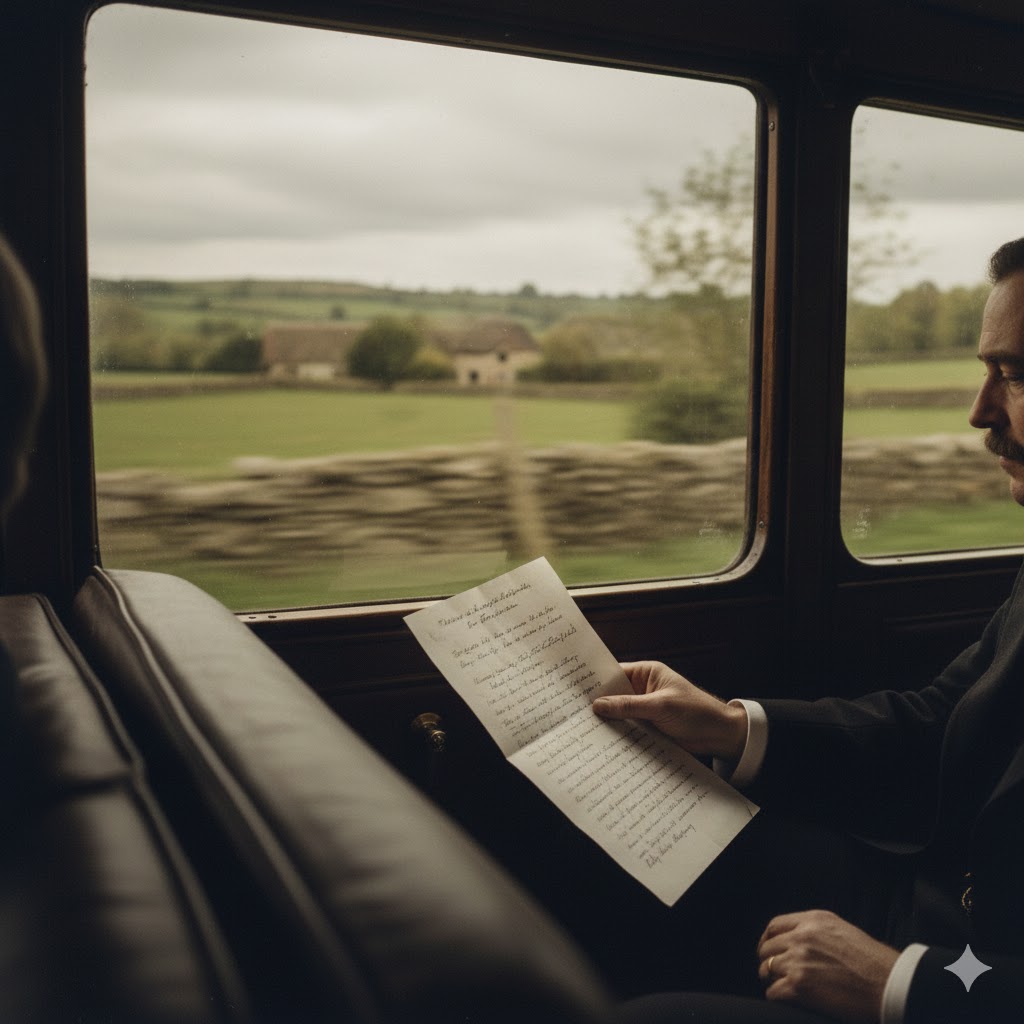
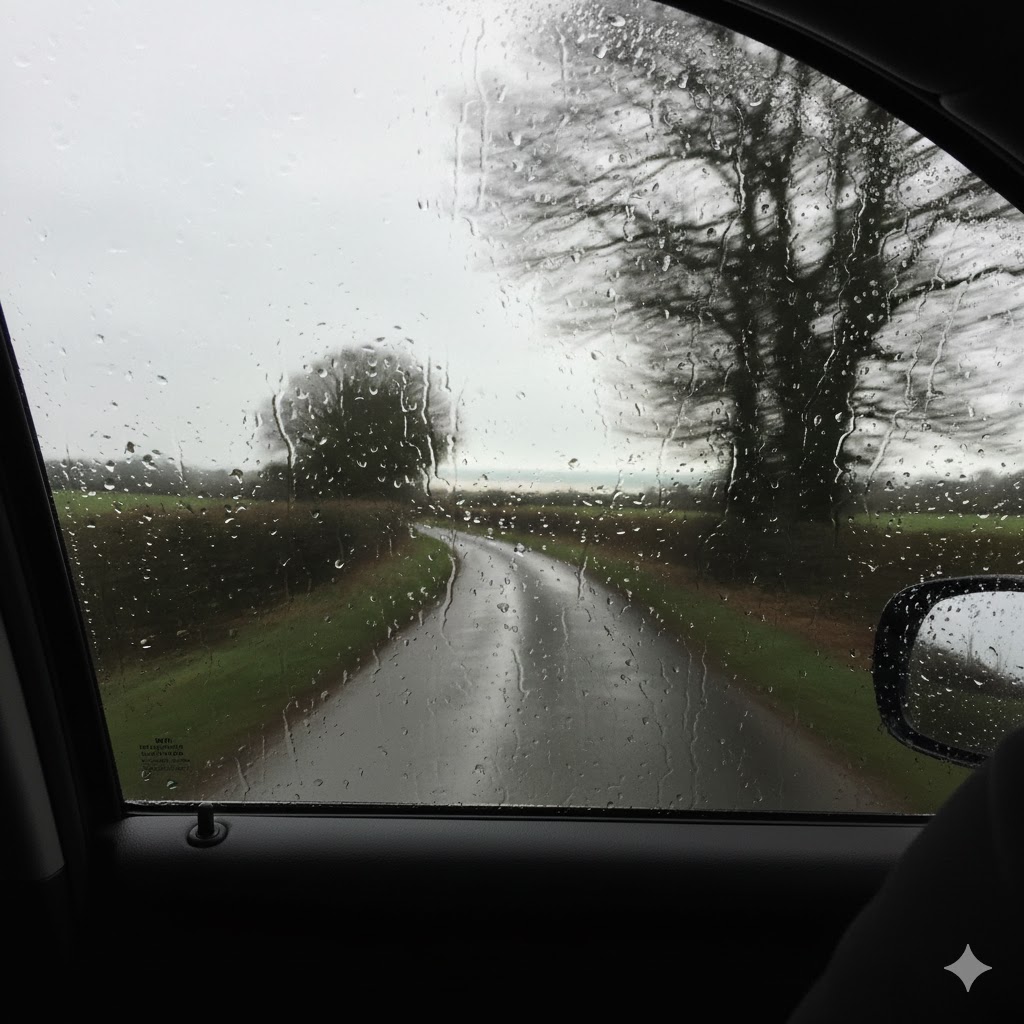
02. The Narrative Void
What is this?
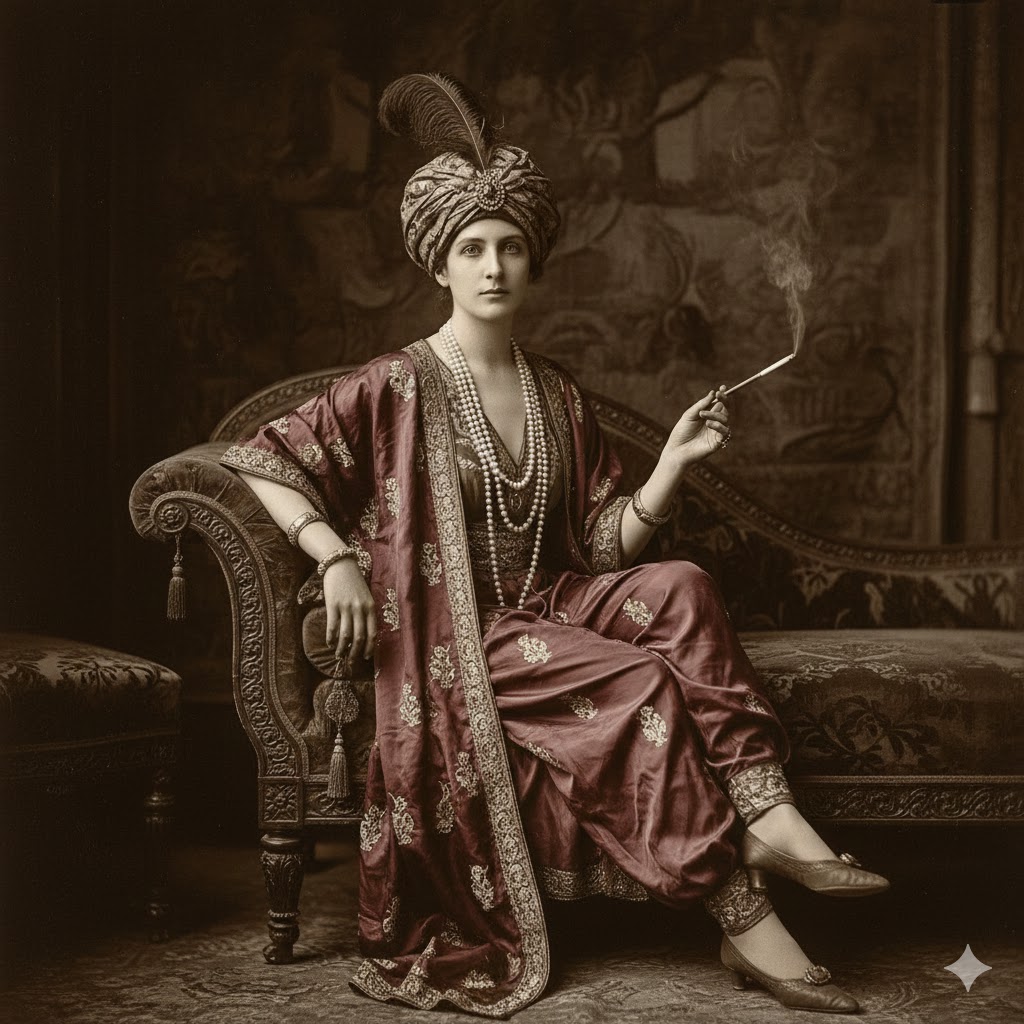
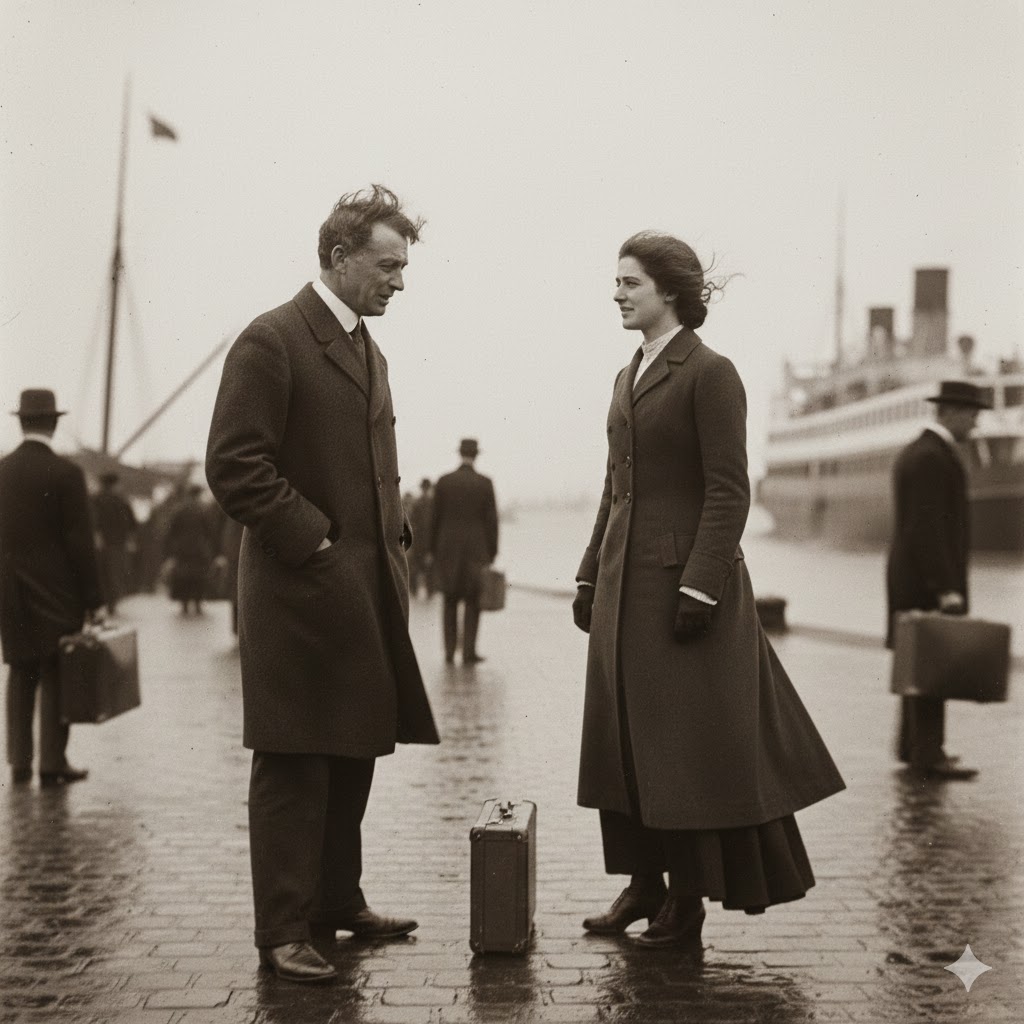
An interactive imagining of the diary she never kept, connecting Venetia’s movements with the probable subjects she was writing about, inferred from primary sources and rendered in her characteristic style and tone.
Why did we do this?
Because Venetia’s own voice is largely absent from the historical record. She appears constantly—but almost always through the words of others. This project treats her not as a footnote or a recipient, but as a subject with her own interior life, restoring agency where the archive falls silent.
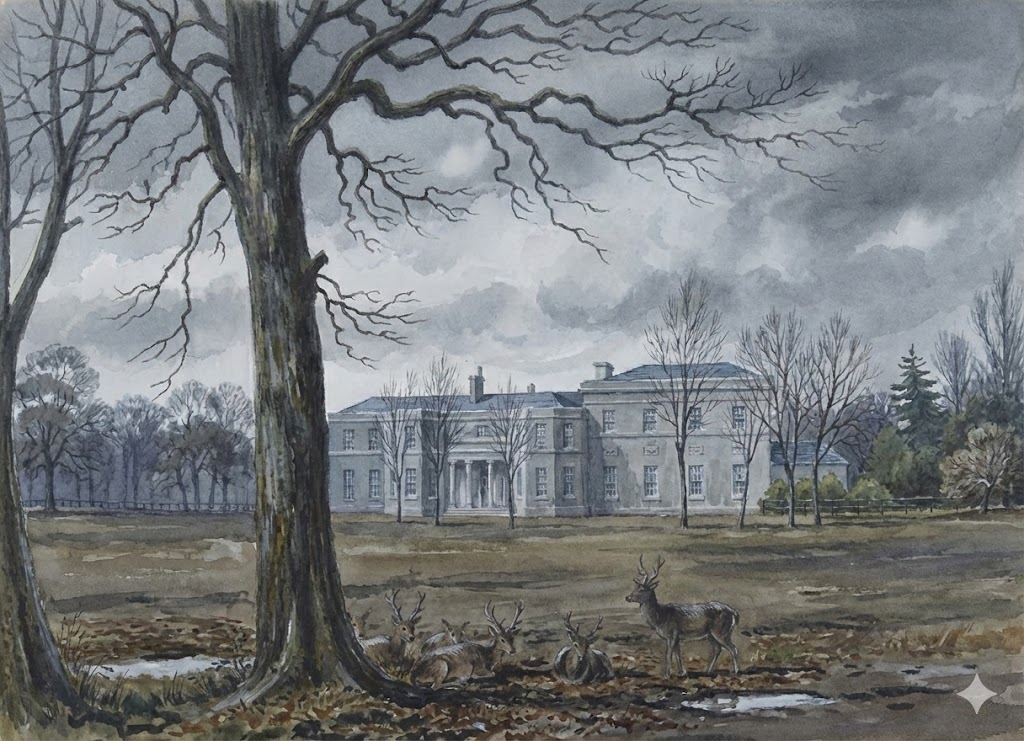
"Managed to scribble a hasty note to H. this morning before the chaos descended..."
03. Audio Reconstruction
What is this?
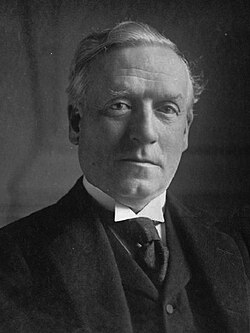
This is an audio reconstruction of H. H. Asquith reading one of his poems to Venetia Stanley. The voice was modelled using surviving recordings of his public speeches.
Why did we do this?
Because hearing the words aloud — with pauses, emphasis, and emotional weight — brings us closer to how these letters were meant to be received, not just read.
"Hearing the voice that was never recorded."
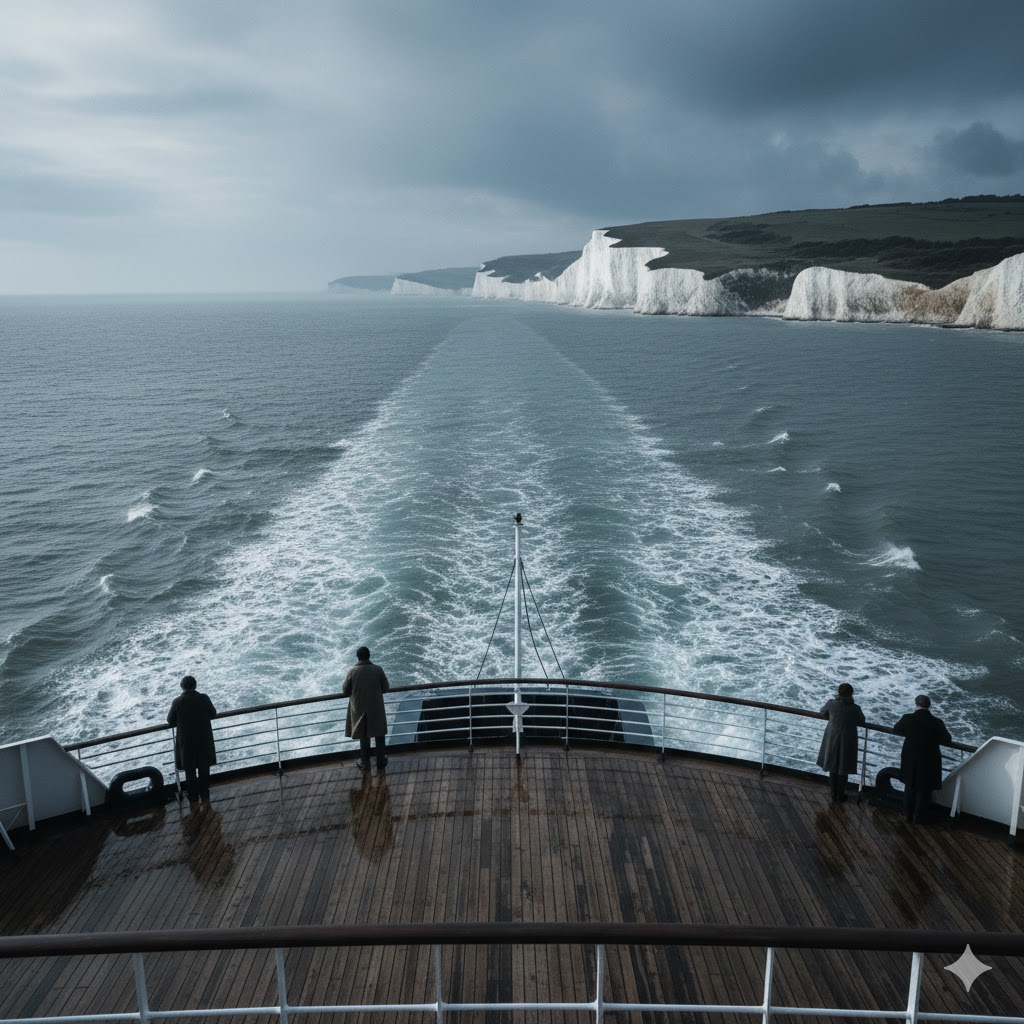
04. Speculative Social Media
What is this?
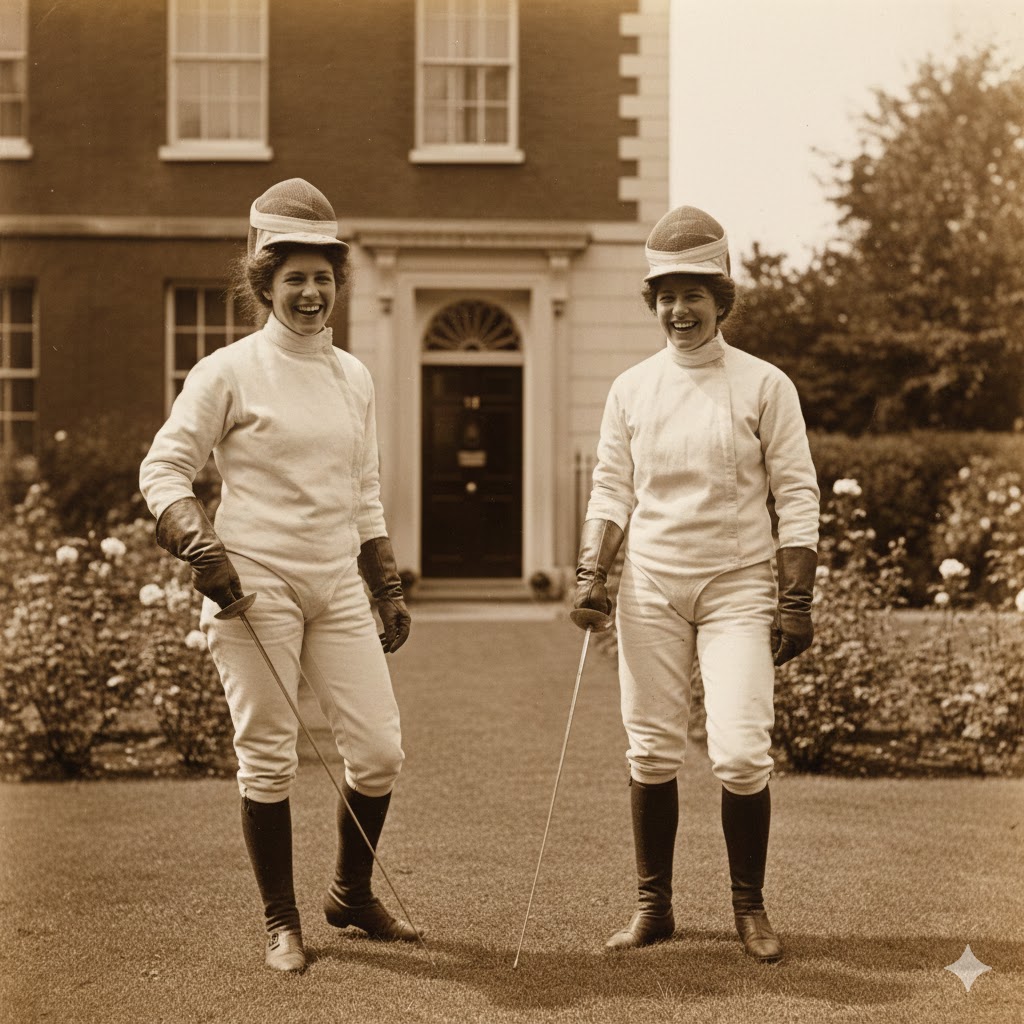
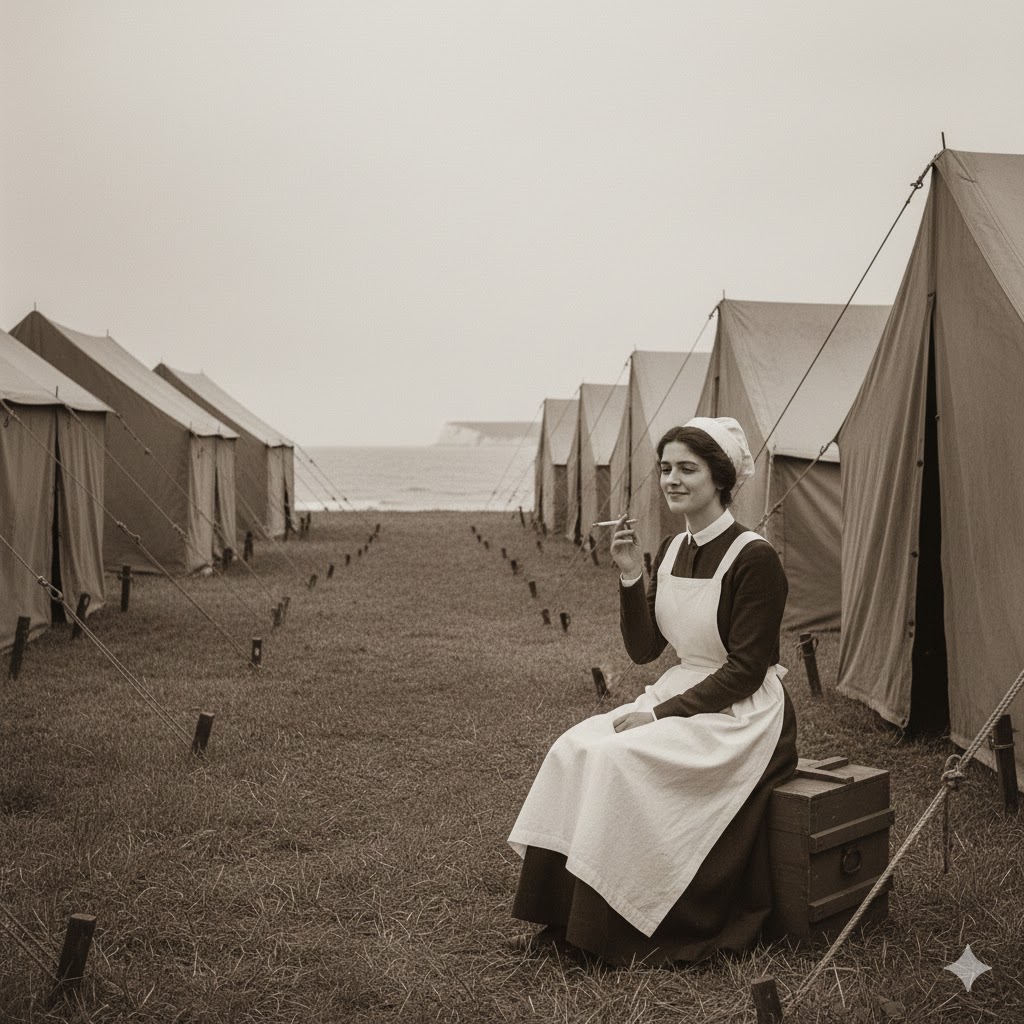
This is a speculative Instagram feed for Venetia Stanley, translating her historical experiences and personality into contemporary social media format.
Why did we do this?
Because it creates a friction so profoundly anachronistic it reveals how truly difficult it is for us to step into their unperformed shoes (and she was too shy for selfies anyway).