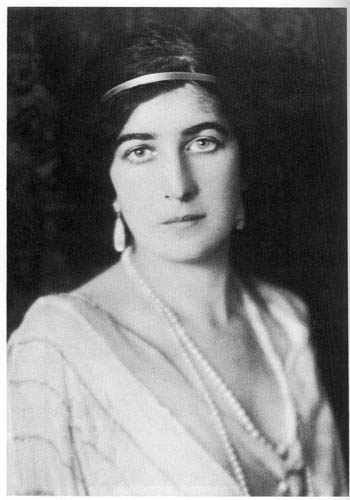
The Enigma of
Venetia Stanley
The "Pole star" of the Edwardian Era—Intellectual, Hedonist, and "Uncertain Prop."
In an era of rigid social codes and impending war, she was a brilliant anomaly. A woman who commanded the obsession of the most powerful men in the Empire, leaving a trail of burned letters and broken hearts in her wake.
How Others Saw Her
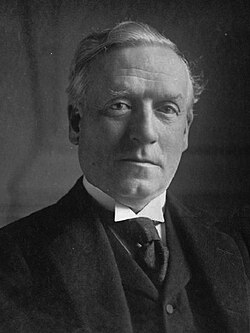
H.H. Asquith
The Devotee
"You are the only woman I have known who can think in the real sense... it was born in, & with, you."
"You have been the pole-star of my life."
"Of the last class of mountains… there is no more conspicuous example than Mount Venetia!"
He built a mythic Venetia—his "pole-star" and intellectual equal—comparing her to a dangerous mountain climb ("Mount Venetia") where a false step meant destruction.
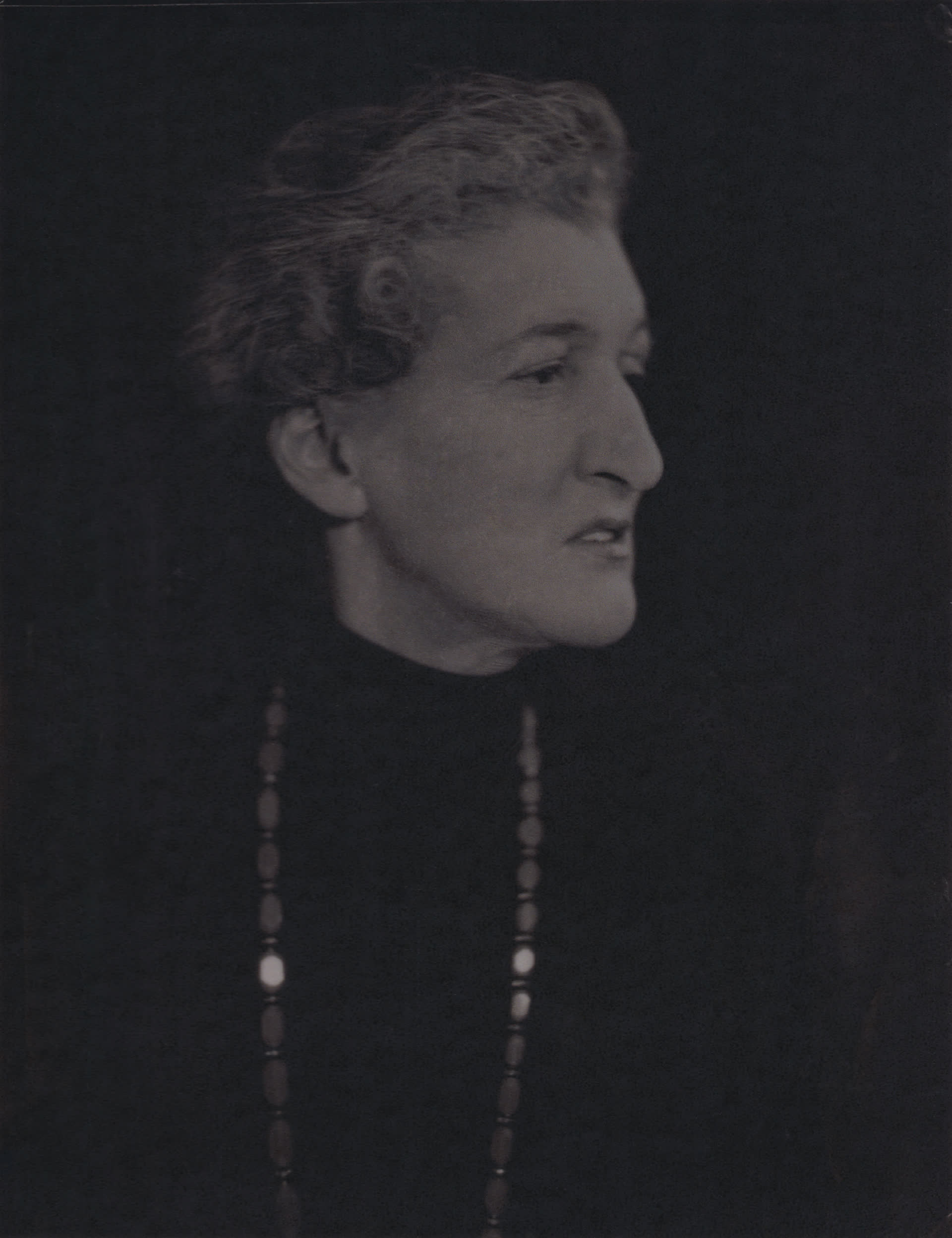
Margot Asquith
The Critic
"Deceitful little brute... No music in her!"
"How I loathe girls who can't love but claim and collect like a cuckoo for their own vanity."
"If Venetia had an ounce of truth and candour… I should smile."
She viewed Venetia as predatory and vain, dismissing her as a "cuckoo" who collected people for vanity and lacked genuine refinement.
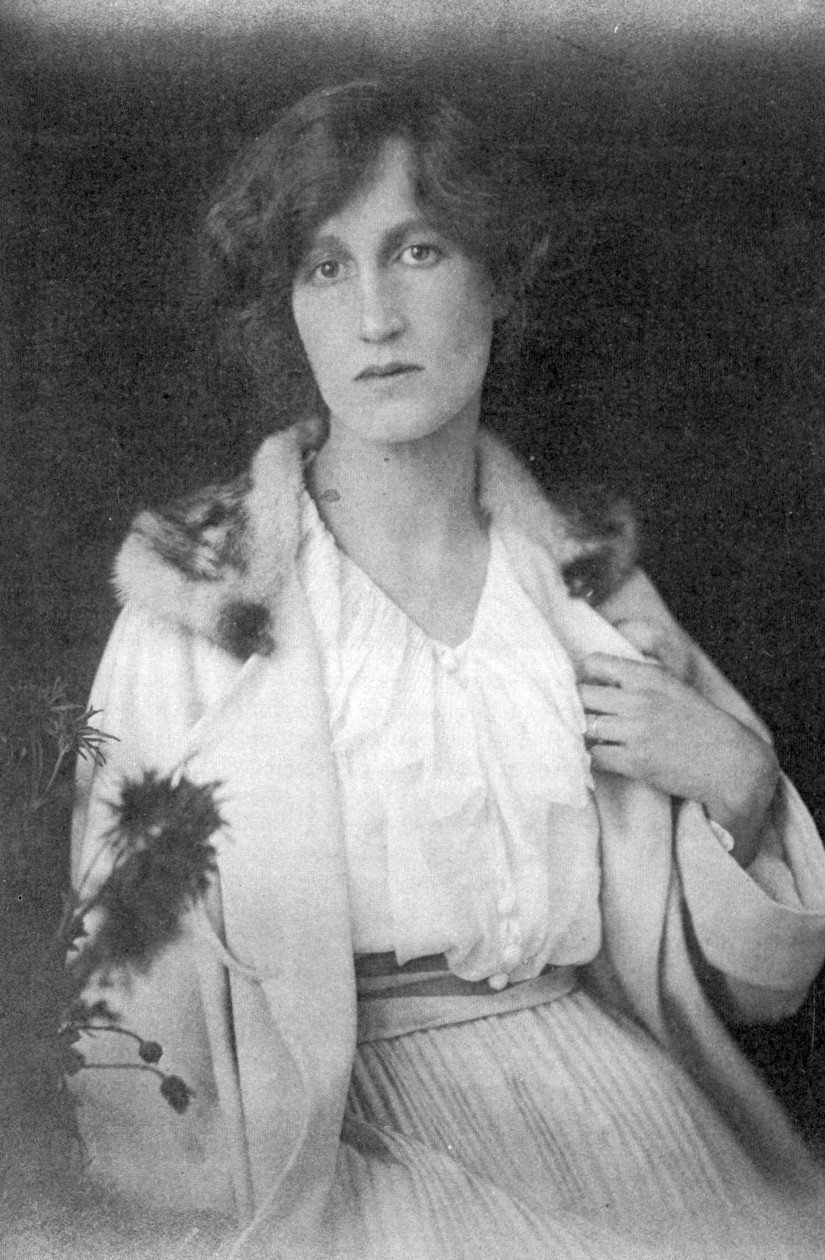
Violet Asquith
The Disillusioned Friend
"A transformed being… bright and avenante… shooting glittering glances hither and thither."
"The whole thing simply revolts me both in its physical and spiritual aspect."
"She is willing to renounce England and Christianity."
Initially admiring Venetia's "glittering glances," Violet turned to revulsion when Venetia converted to Judaism for marriage, seeing it as a betrayal of values.

Edwin Montagu
The Frustrated Suitor
"You are most frighteningly reserved about yourself."
"The inner you is as hidden from me... as it was a year ago."
"You are the most desperately beloved of all women."
He found her "most frighteningly reserved" and feared he never truly "had" her, even as he described her as the "most desperately beloved of all women."
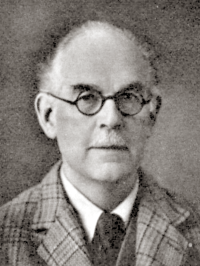
Sir Lawrence Jones
The Contemporary
"A splendid, virginal, comradely creature."
"Venetia had… a masculine intellect… she permitted herself no recourse to her own femininity."
"She carried the Anthologies in her head, but rode like an Amazon."
He saw her "masculine intellect" and "casual stride," noting she had "no recourse to her own femininity" and was "brutally careless of her person."
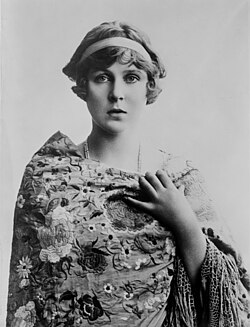
Diana Cooper
The Social Critic
"Dressed like an elephant in 'howdahs' and sham Eastern spoils."
A sharp critique of Venetia's eccentric and often heavy-handed fashion sense later in life.
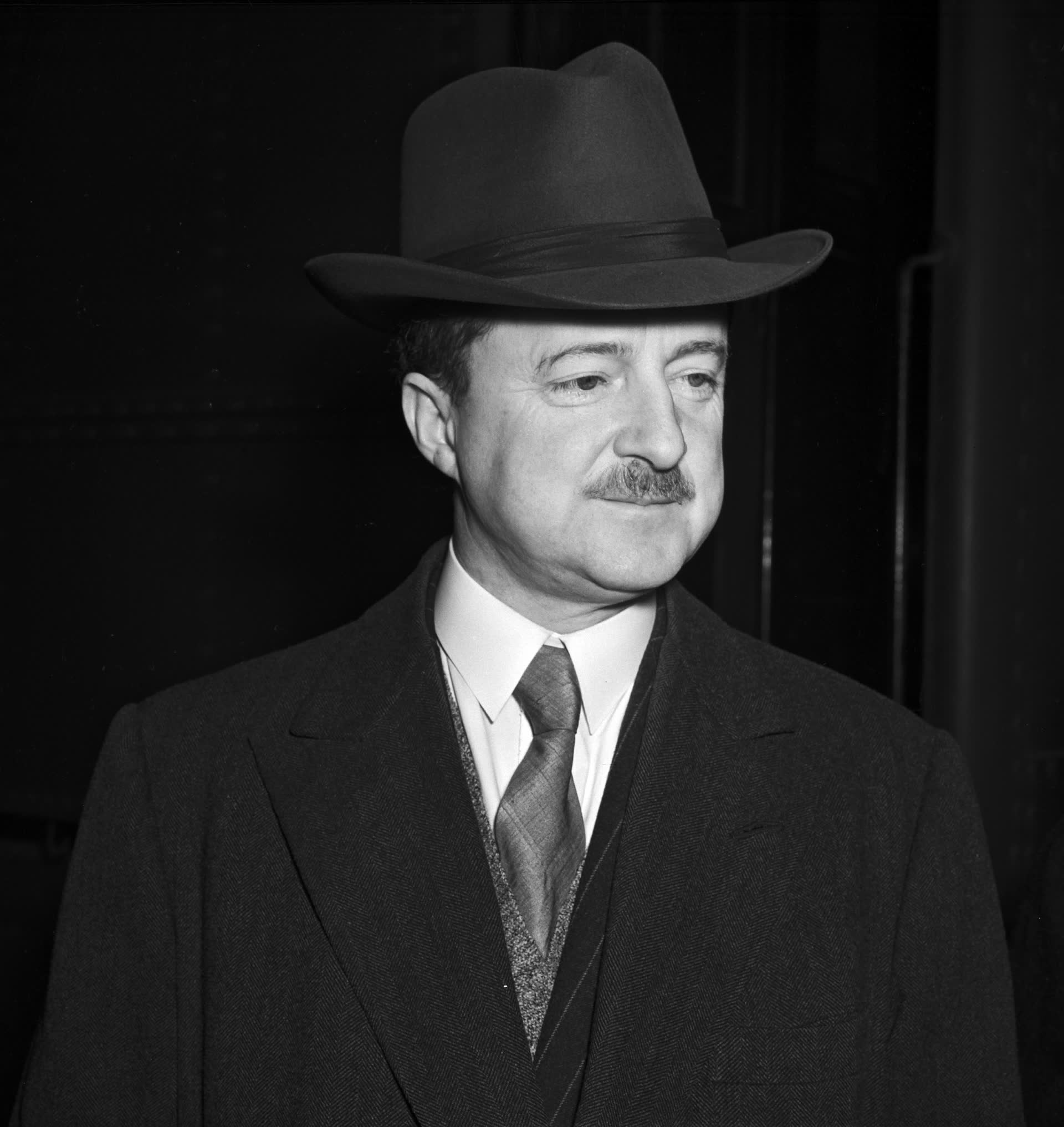
Duff Cooper
The Analyst
"Fingering her hair, speaking seldom... watching with anxiety the servants."
"Speaking seldom and with quick assurance, while watching… the food and the wine."
He saw through her confidence, observing the anxiety and silence that lay beneath her social performance at dinner parties.
In Her Own Words
On Emotion
I'm completely cold-blooded—detached from all interest in my own life... my supply of emotion is a thin & meagre one.
A Day in the Life
1912–1915 • Based on Asquith's Poem (July 1, 1913)
Morning
Fence with Mistress Katharine.
Midday
Eurhythmics call me next.
Luncheon
Tête à tête.
Afternoon
To the City—to select / Rare fine-spun lingerie.
Evening
A hasty rubber (Bridge).
Night
A rest, a dance / A supper.
3:30 AM
I go to bed... To do it all again.
Intellect & Vice
"A whetted appetite and zest for the pleasures of the world"
The Bookshelf
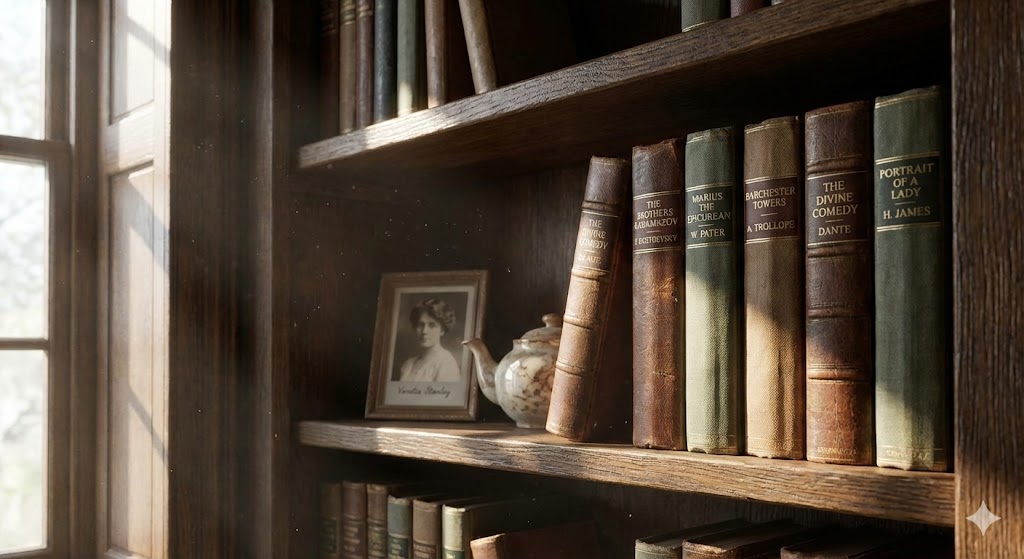
Heavy Reading
Russian Literature
"The Brothers Karamazov" & "Crime & Punishment"
She read Dostoevsky obsessively in 1914, finding his chaotic morality a mirror for her own life.
The Foundation
Greek & Roman Classics
"Winchester Troopers" (Dialogue) — "Great fun"
Educated far beyond the standard for women of her time, she could debate Asquith on nuances of Greek translation.
Verse
Dante & The Moderns
"The Divine Comedy (Inferno)"
Read aloud, translating horrors "with great gusto" to anyone who would listen.
Hobbies
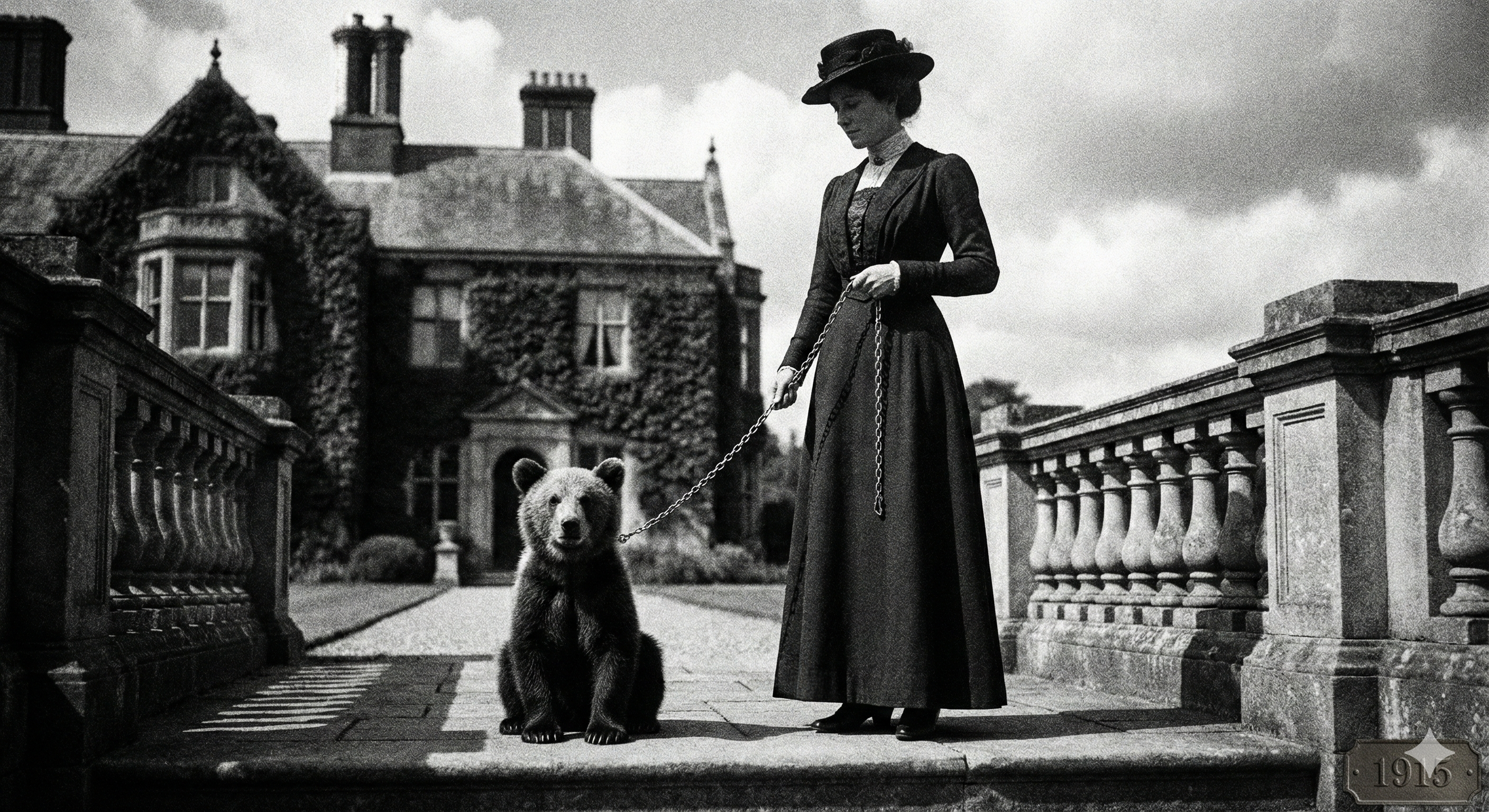
The Menagerie
Owned a bear, a fox, a penguin, and a monkey named Pluto.
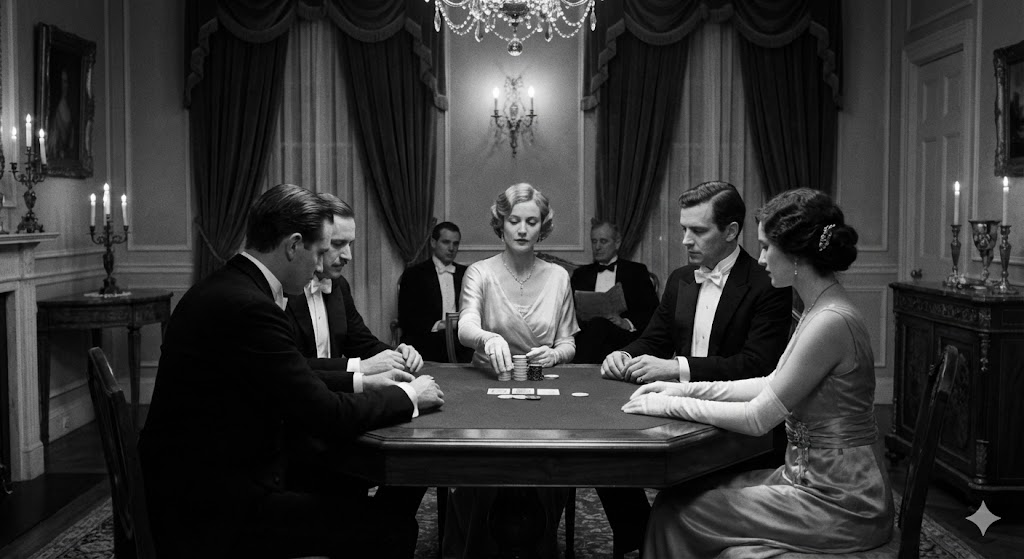
Gambling
Poker and Bridge for money with "zest & determination".
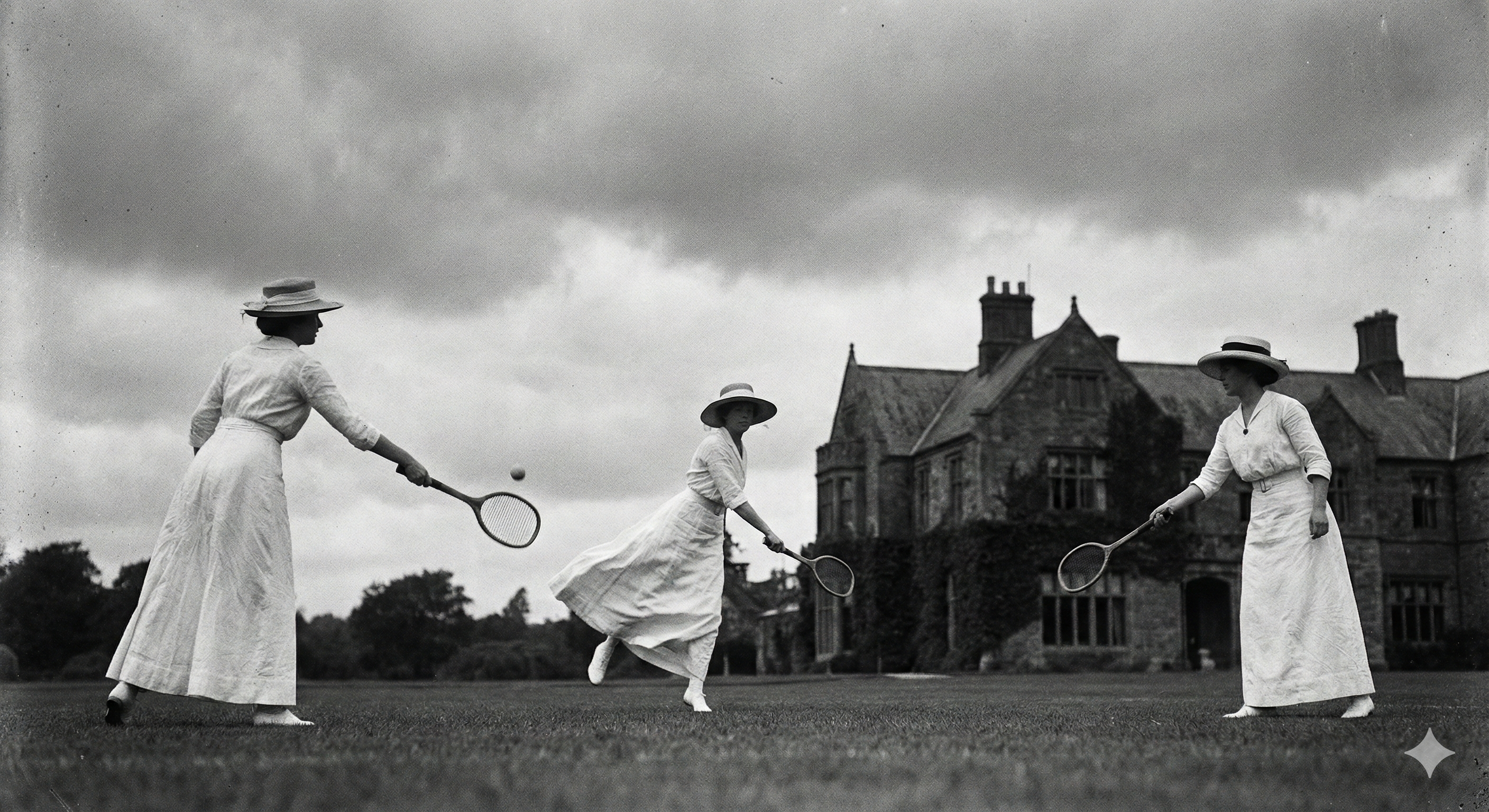
Sport
Fencing (3x a week) and Tennis.
Source-Grounded FAQ
Frequently Asked Questions
Venetia survives unevenly in the archive: vividly in some moments, frustratingly by rumor in others. These are the questions readers usually ask first, answered from the surviving letters and from the limits of what the evidence can honestly prove.
Question 01Did Venetia Stanley and Asquith have an affair?
Did Venetia Stanley and Asquith have an affair?
That remains contested. The surviving letters show extraordinary intimacy, emotional dependence, and a level of candor that was already risky for a serving prime minister, but they do not prove a physical sexual relationship. Asquith often framed the bond in intellectual and emotional terms, treating Venetia as the mind he most wanted beside him. Most careful readings therefore separate what the correspondence certainly reveals from what later rumor only inferred.
Question 02Why did Venetia Stanley marry Edwin Montagu?
Why did Venetia Stanley marry Edwin Montagu?
She accepted Edwin Montagu after years of refusing him, which suggests a serious decision rather than a sudden romantic reversal. Her own letters point to a mixture of pragmatism, companionship, and genuine affection, even if it was not love in the intense Asquithian sense. Montagu offered loyalty, position, and a plausible future at a moment when the Asquith relationship had become increasingly untenable. The marriage makes more sense as a deliberate choice within her social and financial world than as an impulsive surrender.
Question 03Did Venetia Stanley convert to Judaism?
Did Venetia Stanley convert to Judaism?
Yes. Venetia converted in 1915 in order to marry Edwin Montagu, and the surviving letters show that she understood the decision in notably practical terms. She wrote privately that the change did not alter her sense of race or nationality, which is one of the bluntest surviving statements we have about her view of it. The episode matters historically less as a story of religious conviction than as a revealing intersection of money, identity, family pressure, and marriage.
Question 04Is Robert Harris' Precipice based on a true story?
Is Robert Harris' Precipice based on a true story?
Yes, closely, though it remains a novel rather than a documentary reconstruction. Harris built the book around real people, real letters, and real wartime tensions, especially the Asquith-Stanley correspondence. Some scenes and connective tissue are dramatized for narrative effect, but the underlying scandal and political stakes are historical. For the fuller source-by-source breakdown, see the Precipice fact-vs-fiction guide.
Question 05What happened to Venetia Stanley after 1915?
What happened to Venetia Stanley after 1915?
After 1915 she moved into the Montagu years, then into widowhood after Edwin Montagu's death in 1924. She became a society hostess and remained socially magnetic, though later accounts increasingly blend documented fact with gossip and retrospective myth. Her later life matters because it shows that she was not frozen in history as Asquith's muse but continued shaping her own world for decades. For the fuller later story, see Venetia Stanley after 1915.
Question 06Is there any footage of Venetia Stanley?
Is there any footage of Venetia Stanley?
Yes: one known surviving clip from 1928 shows Venetia at Alderley Edge playing bridge with her mother (see below). That makes it unusually valuable, because so much of her archive survives only through letters written by other people about her rather than through moving images of her own presence. Most references to the footage sit buried in archival catalog language rather than inside a readable biography. This page is one of the few places that surfaces the clip clearly and places it back into the broader story of her life.