The Jewish Conversion
Venetia Stanley’s conversion was driven by financial necessity rather than religious belief. Edwin Montagu’s father, the first Lord Swaythling, had stipulated in his will that any child who married outside the Jewish faith would be disinherited. Without the inheritance, Edwin’s income would have been modest; with it, it was substantial, and neither he nor Venetia felt they could live on the lower sum. Venetia was candid about her motives. She said she was converting for Edwin’s sake and because she believed one was “happier rich than poor,” adding that she did not feel she was changing her identity and cared little for religion. Edwin, who had already rejected religious observance, treated the conversion as a formality and was largely indifferent to religious outcomes, asking only that Venetia stand with Jews if they were ever persecuted.
Chapter Timeline
Key events in chronological order
Samuel Montagu dies; his will stipulates that children marrying outside the Jewish faith or ceasing to profess it lose their inheritance [naomi_levine-full.txt, 3329, 3335].
Edwin Montagu and Venetia Stanley make a firm commitment to marry [naomi_levine-full.txt, 3666].
Asquith receives word of Venetia's engagement and writes to her saying it breaks his heart [naomi_levine-full.txt, 3673; asquith_letters_full.txt, 2971].
Venetia leaves for Wimereux, France, to work in a hospital [naomi_levine-full.txt, 3687].
Venetia writes to Edwin complaining that the religious instruction book sent by the Rev. Morris Joseph ('Old Joseph') is 'too boring' [naomi_levine-full.txt, 3741].
Edwin writes that his sister Lily urges speed to 'cut the cable,' advising that Venetia need only avow she has 'adopted citizenship' of the faith [naomi_levine-full.txt, 3742].
Venetia writes regarding her religious instruction, suggesting she might 'flatter the old boy by some verbatim quotations' rather than deep study [naomi_levine-full.txt, 3741, 3742].
Venetia returns to London from France [naomi_levine-full.txt, 3729].
Venetia is tested by Rabbi Morris Joseph and formally received into the Jewish faith [naomi_levine-full.txt, 3742].
Venetia and Edwin are married at Lord Swaythling's house with Jewish rites; Asquith does not attend [naomi_levine-full.txt, 3749, 3753].
Character Perspectives(How each character saw that)

Edwin Montagu
He urged her to convert to satisfy his father's will.
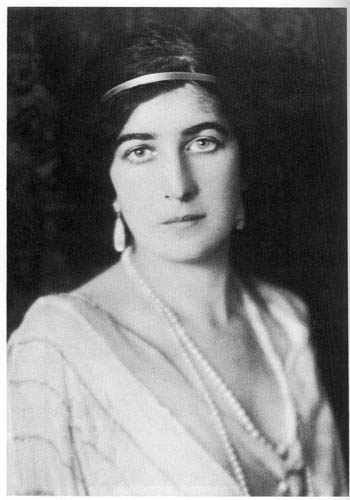
Venetia Stanley
She was pragmatic, admitting she would 'never think of myself as a Jew'.
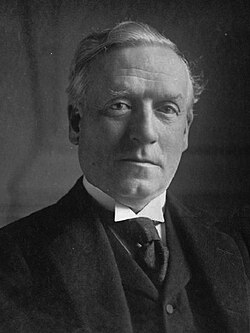
H.H. Asquith
He found the conversion 'repugnant' and a 'gran rifiuto'.
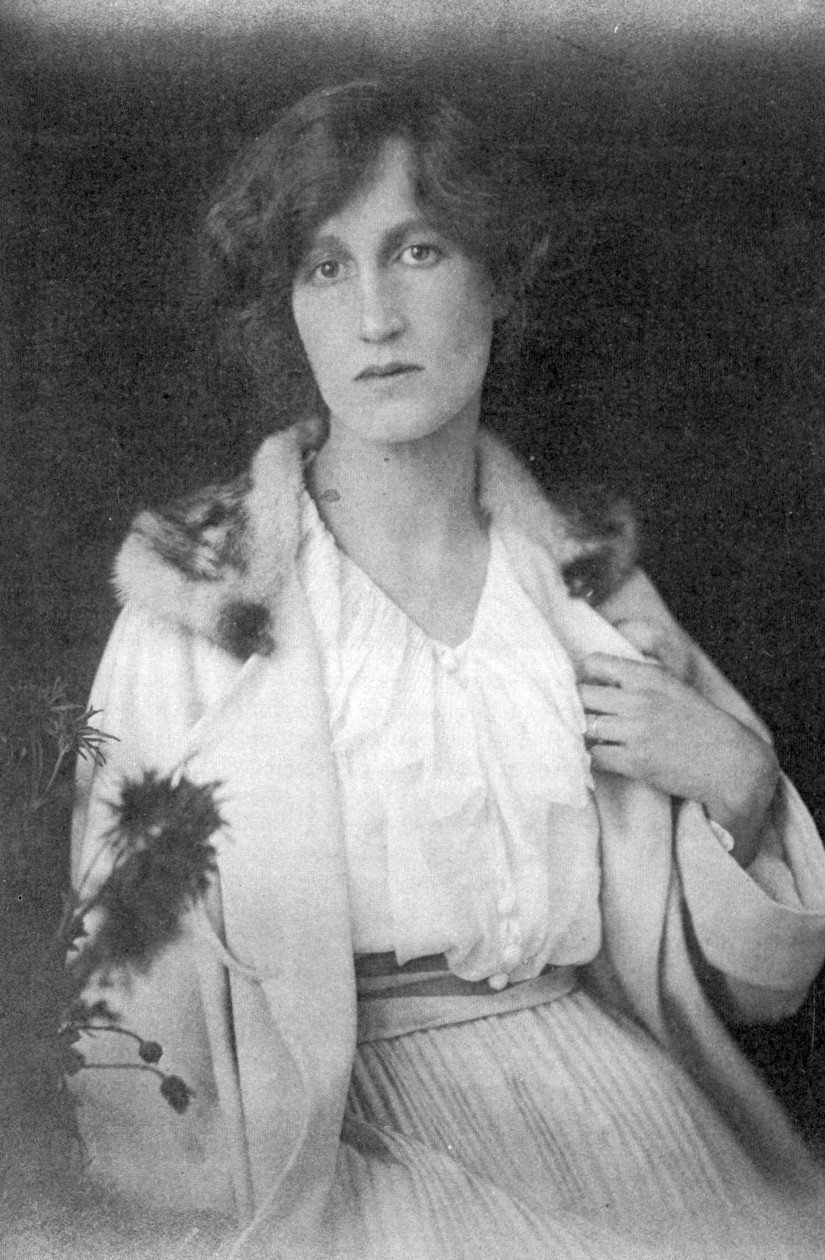
Violet Asquith
She was furious, accusing Edwin of 'blackmail'.
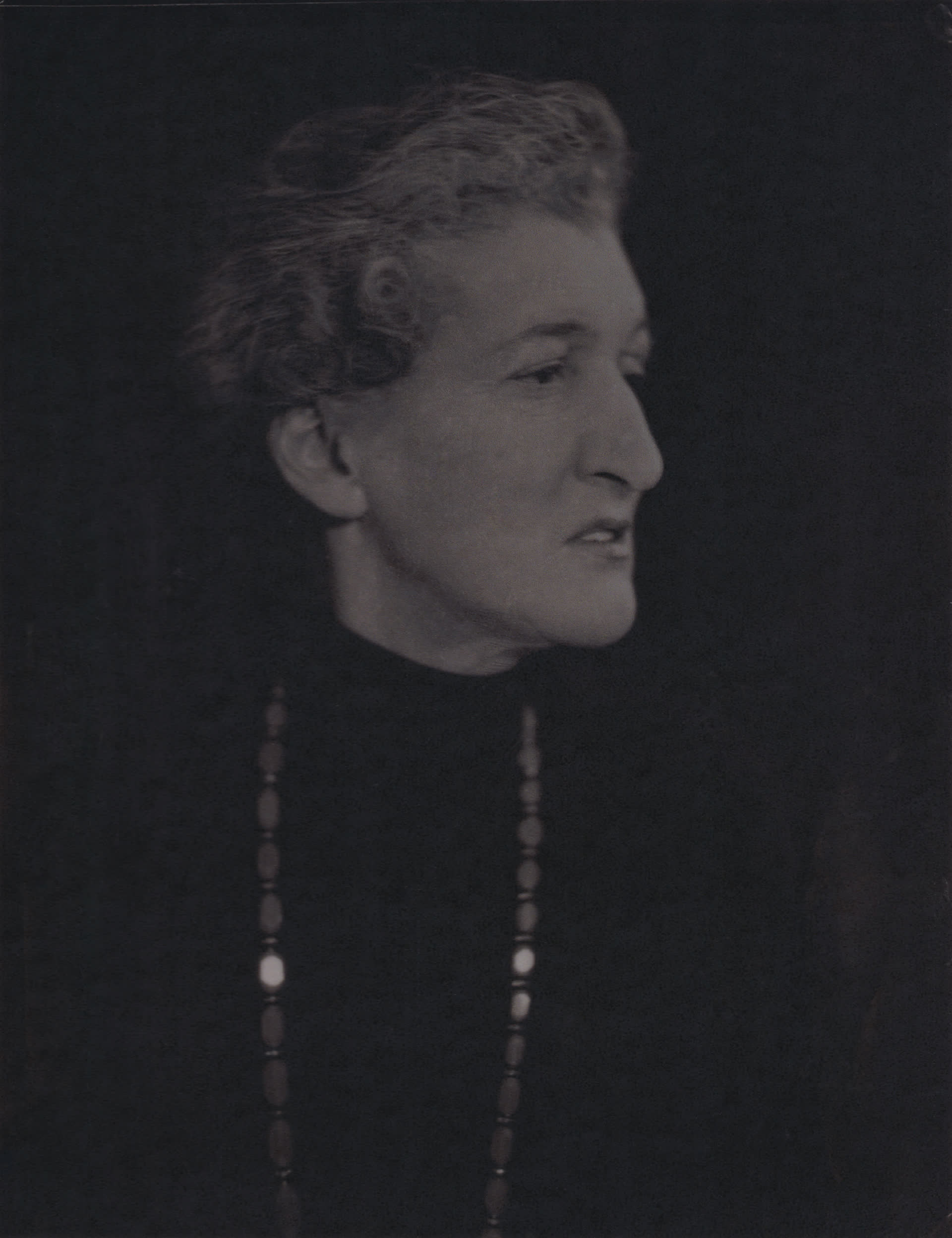
Margot Asquith
She supported the marriage.
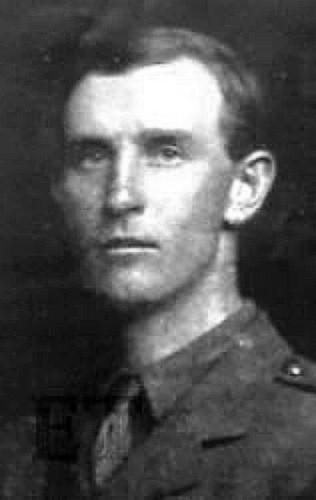
Raymond Asquith
He cynically approved of the 'marriage of convenience'.

Lord Sheffield
He was 'ferocious' in his denunciation.
Fun Fact
Asquith wrote a poem teasing Venetia about 'The silken tents of Shem'.
Sources
- • Naomi Levine
- • Asquith Letters