The Shells Scandal
The Shells Scandal broke in May 1915 after the failed attack at Aubers Ridge was blamed on a shortage of high-explosive ammunition. A Times report exposed the deficiency and directly contradicted Asquith’s recent assurances to the public, creating a crisis compounded by Lord Fisher’s resignation and leaving the Liberal government politically vulnerable. At the same moment, Asquith suffered a personal blow when Venetia Stanley announced her engagement to Edwin Montagu, severing the emotional support on which he had heavily relied. Devastated and demoralized, Asquith lacked the will to fight his critics, and contemporaries later argued that this personal collapse, as much as the political scandal, led to the formation of the Coalition Government.
The Shells Scandal
The munitions crisis that brought down the Liberal government and forced a coalition.
Chapter Timeline
Key events in chronological order
Asquith delivers his 'Newcastle Speech'.
British attack on Aubers Ridge fails.
The Times publishes Colonel Repington's dispatch.
Creation of the Ministry of Munitions.
Character Perspectives(How each character saw that)
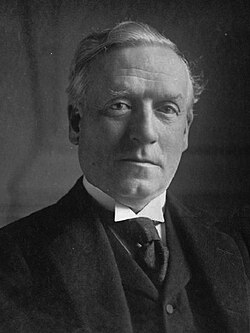
H.H. Asquith
He felt he had been the 'unwitting perpetrator of a gross deception'.
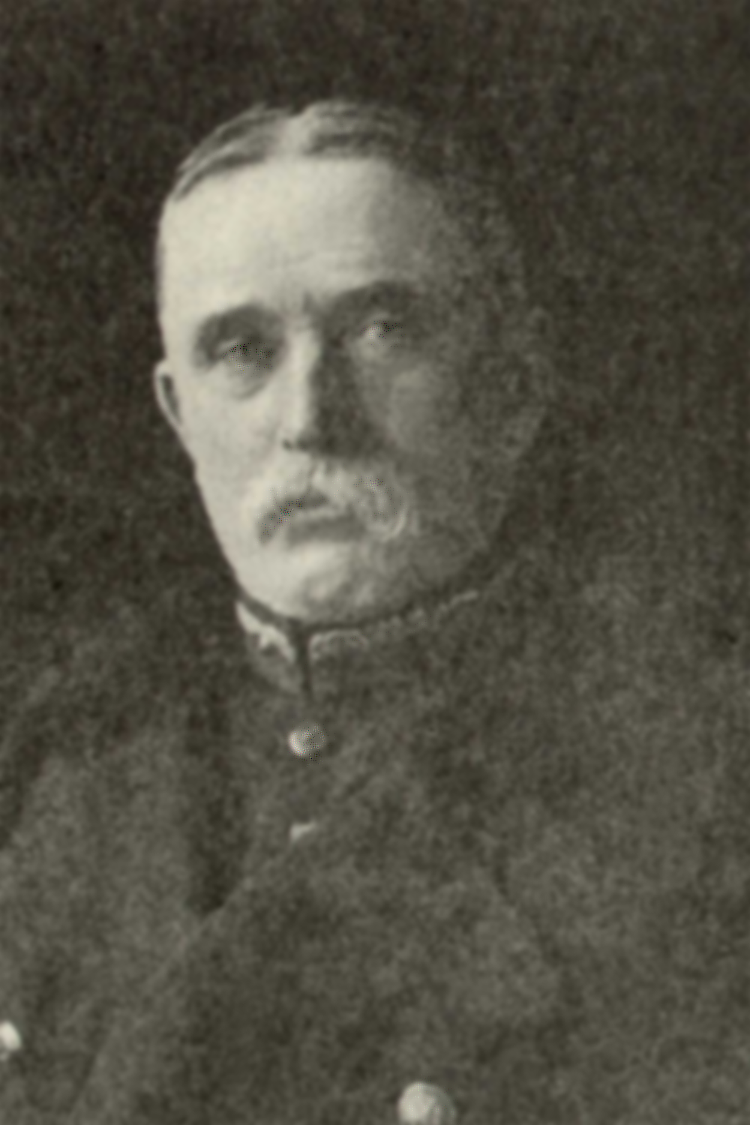
Sir John French
He deliberately leaked the information to Repington.
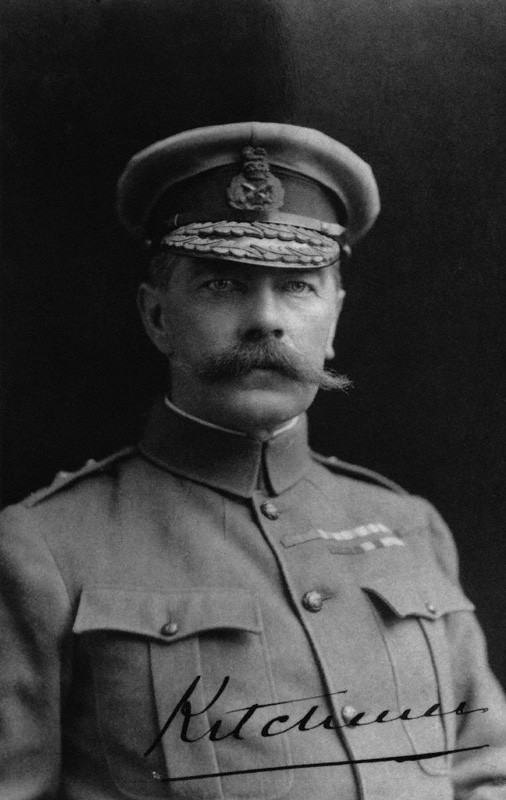
Lord Kitchener
He was 'distressed & pre-occupied' by the way the army expended ammunition.
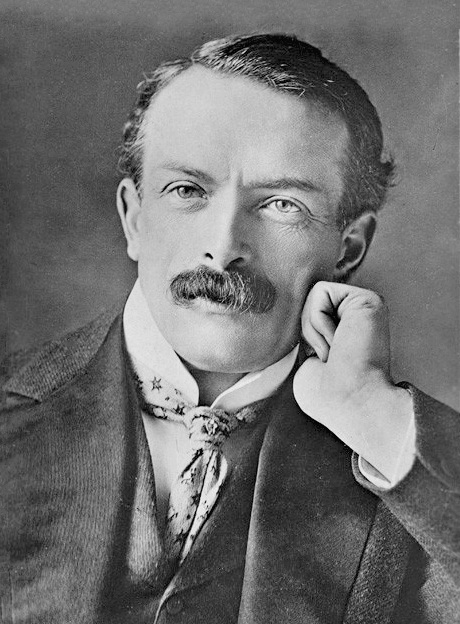
David Lloyd George
He used the crisis to advocate for a Ministry of Munitions.
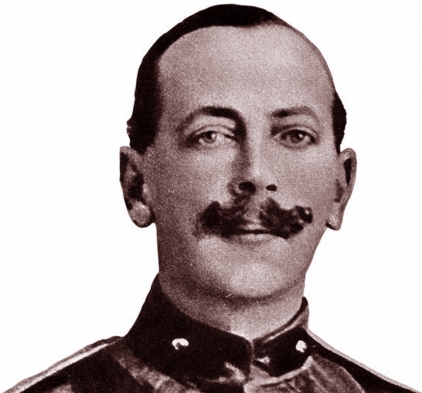
Colonel Repington
He wrote the exposé in The Times.
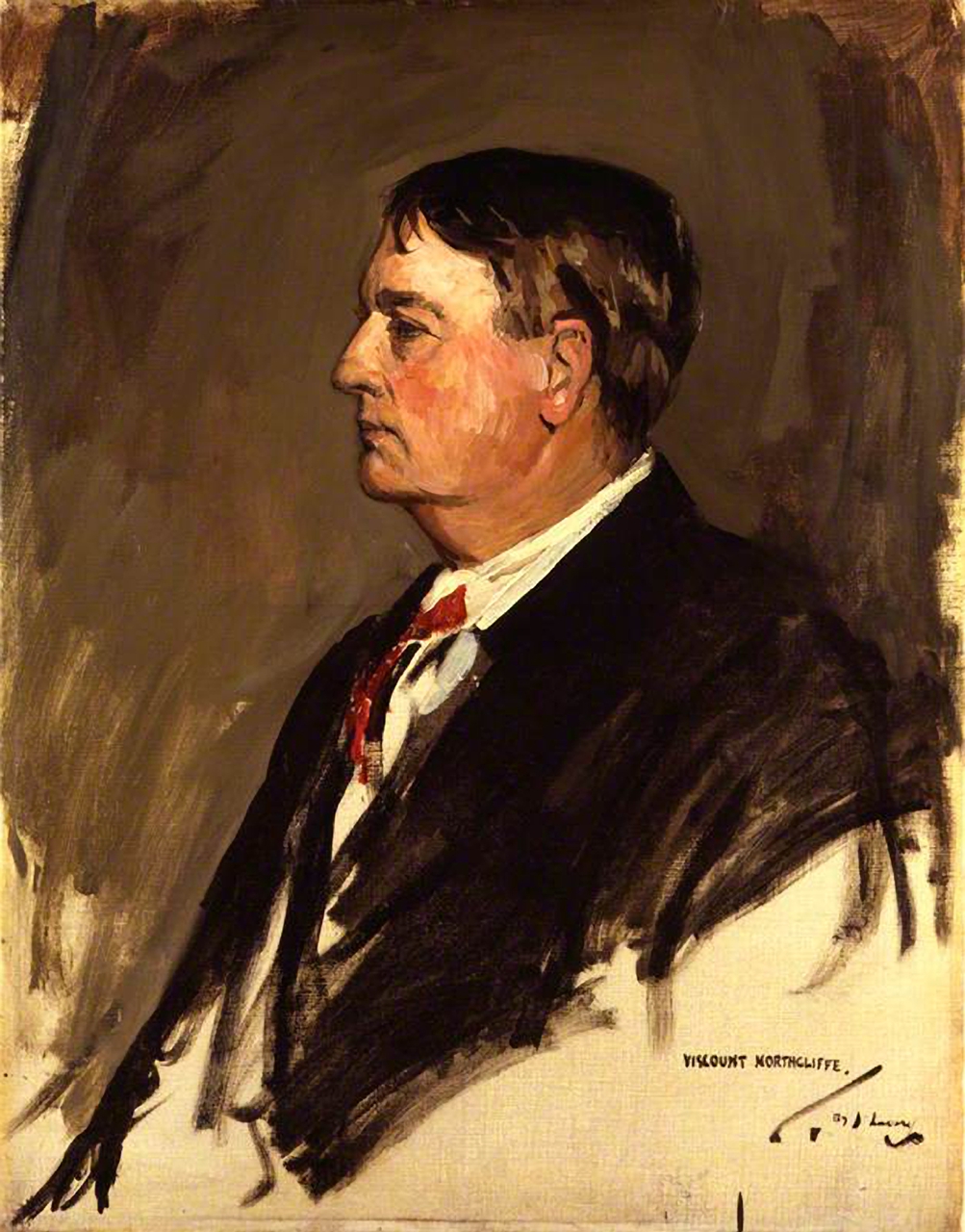
Lord Northcliffe
He orchestrated the press campaign.
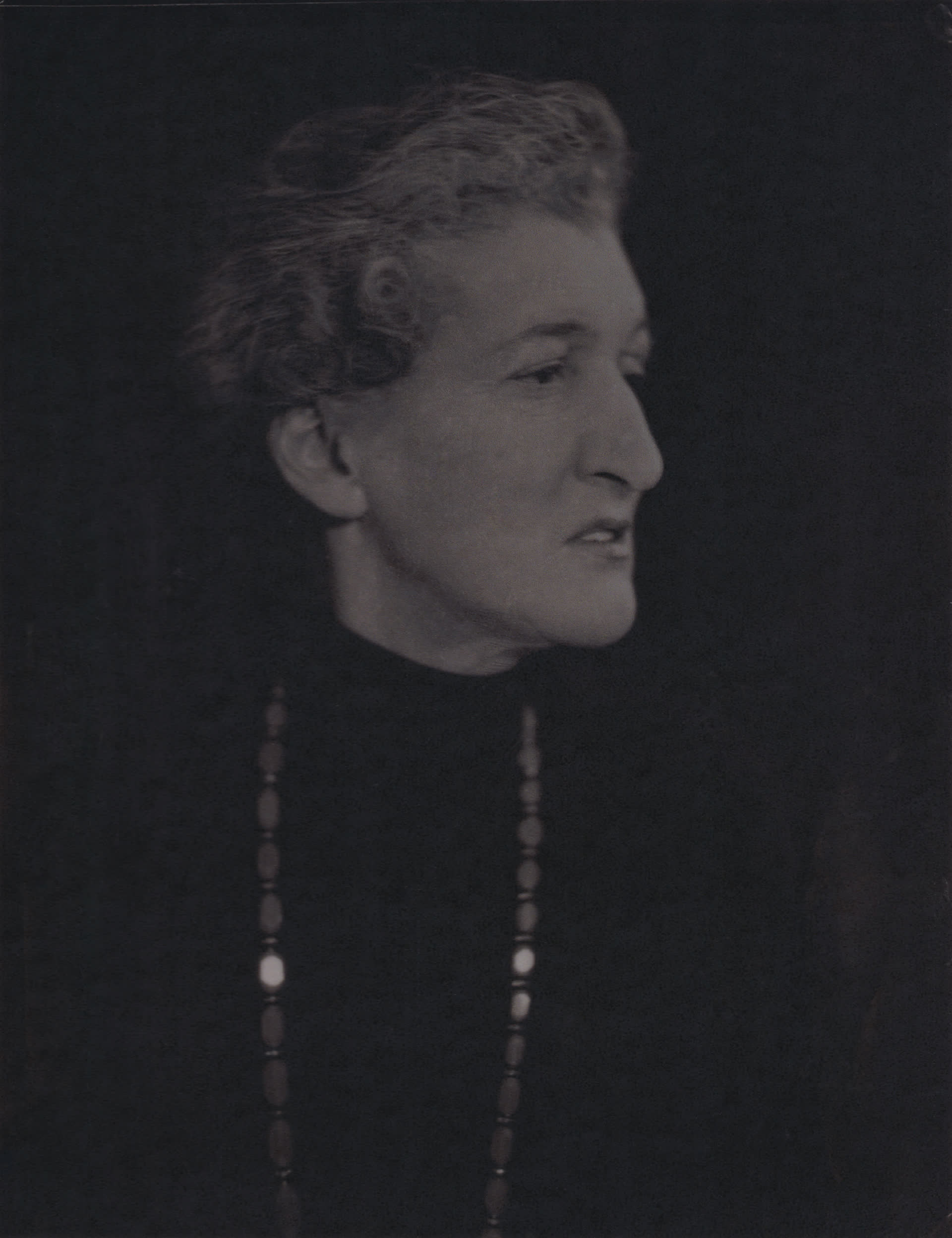
Margot Asquith
She was furious with the press.
Fun Fact
Asquith's 'Newcastle Speech' was based on a lie told by Sir John French to Kitchener.
Sources
- • Churchill Cabinet Papers (1915–1916)
- • Naomi Levine