The Marconi Scandal
The Marconi scandal of 1912–1913 was a major political crisis in which senior Liberal ministers were accused of profiting from a government contract for an imperial wireless network. The controversy arose after Postmaster-General Herbert Samuel negotiated the contract with the British Marconi Company, managed by Godfrey Isaacs, brother of Attorney-General Sir Rufus Isaacs; while the contract itself was not corrupt, it later emerged that Rufus Isaacs, Chancellor David Lloyd George, and the Chief Whip, the Master of Elibank, had bought shares in the American Marconi Company, prompting accusations of using privileged information. The affair worsened when the ministers denied in Parliament holding British Marconi shares while concealing their American investments, and it was further inflamed by anti-Semitic attacks in the Eye Witness. A Parliamentary Select Committee ultimately cleared the ministers of corruption despite a critical minority report, and Prime Minister H. H. Asquith supported his colleagues, while Winston Churchill forcefully denied any involvement and worked behind the scenes to curb press hostility.
Marconi Scandal: The Razor Thin Defense
Uncovering the clever legal distinction that saved British ministers from a massive insider trading scandal in 1912.
Character Perspectives(How each character saw that)
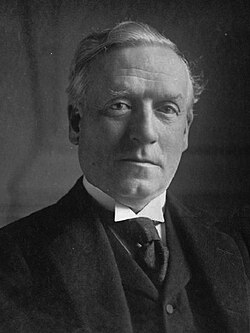
H.H. Asquith
He refused to accept the resignations of Lloyd George and Isaacs, viewing them as foolish rather than corrupt.
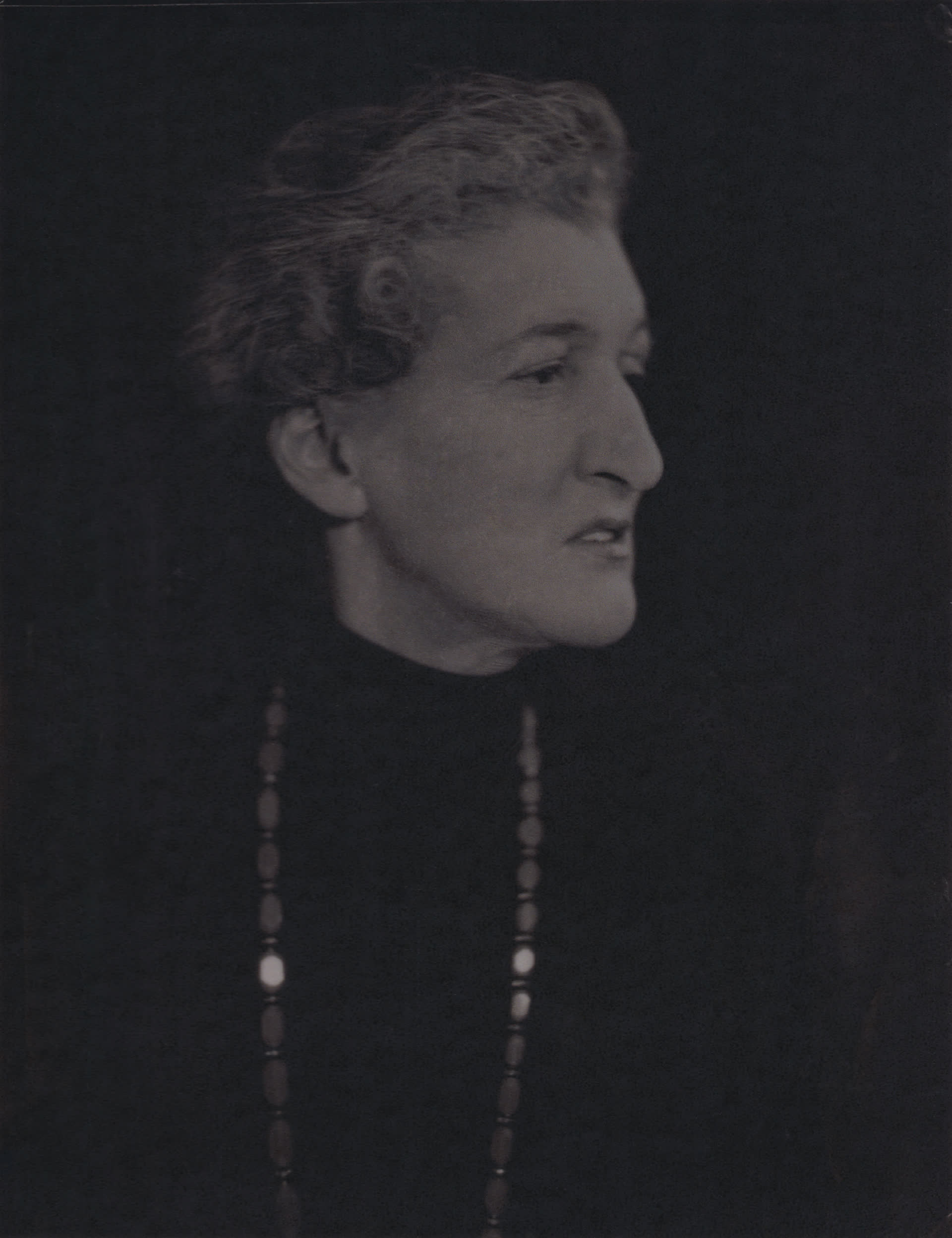
Margot Asquith
She felt the affair gave her a chance to offer advice; she blamed Rufus Isaacs more than her favorite Lloyd George.

Winston Churchill
He reacted with 'vehemence' and anger when summoned by the Select Committee on 'tittle-tattle'.
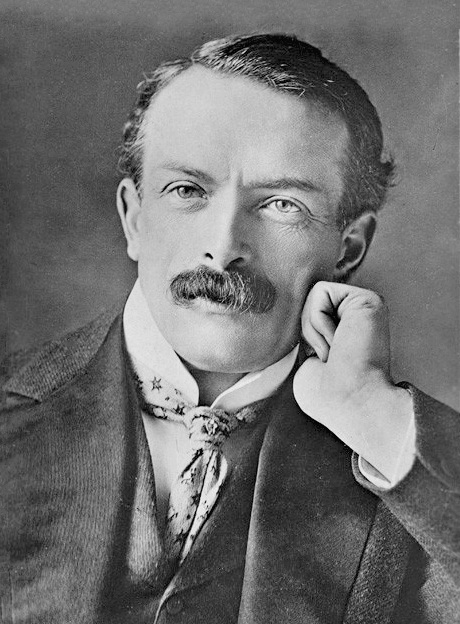
David Lloyd George
He claimed ignorance of the stock market, acting on Isaacs' advice.

Rufus Isaacs
He admitted to buying the American shares and acting as an agent for the others.

Edwin Montagu
Though not involved in the trading, he was deeply depressed by the scandal due to the anti-Semitism.

Lord Murray
The Liberal Chief Whip involved in the trading; he secretly invested Liberal Party funds.

Herbert Samuel
He was the minister responsible for the contract but had traded no shares; however, he was viciously attacked.
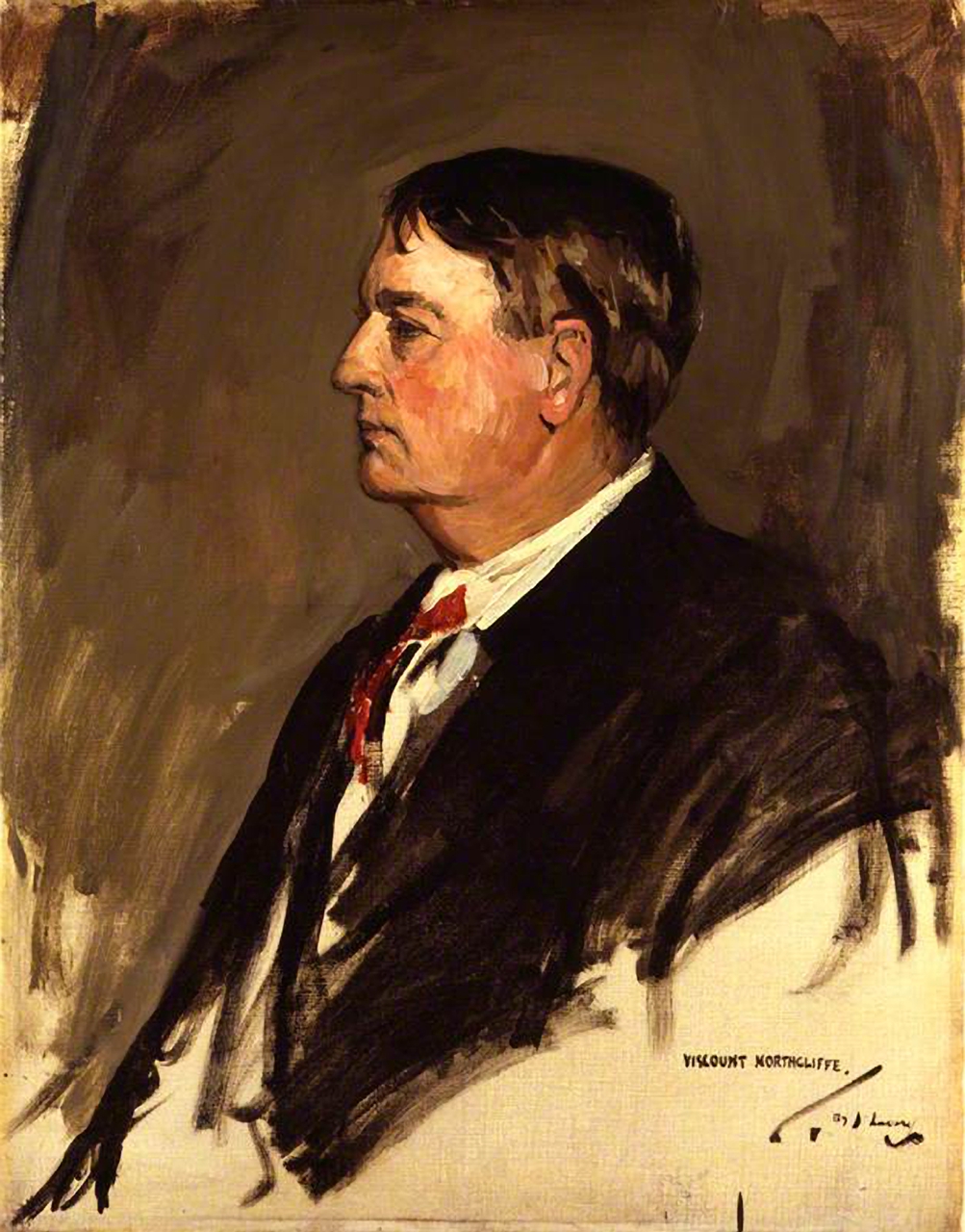
Lord Northcliffe
He initially agreed to withhold attacks, but later expressed annoyance when the involvement of Party funds was revealed.
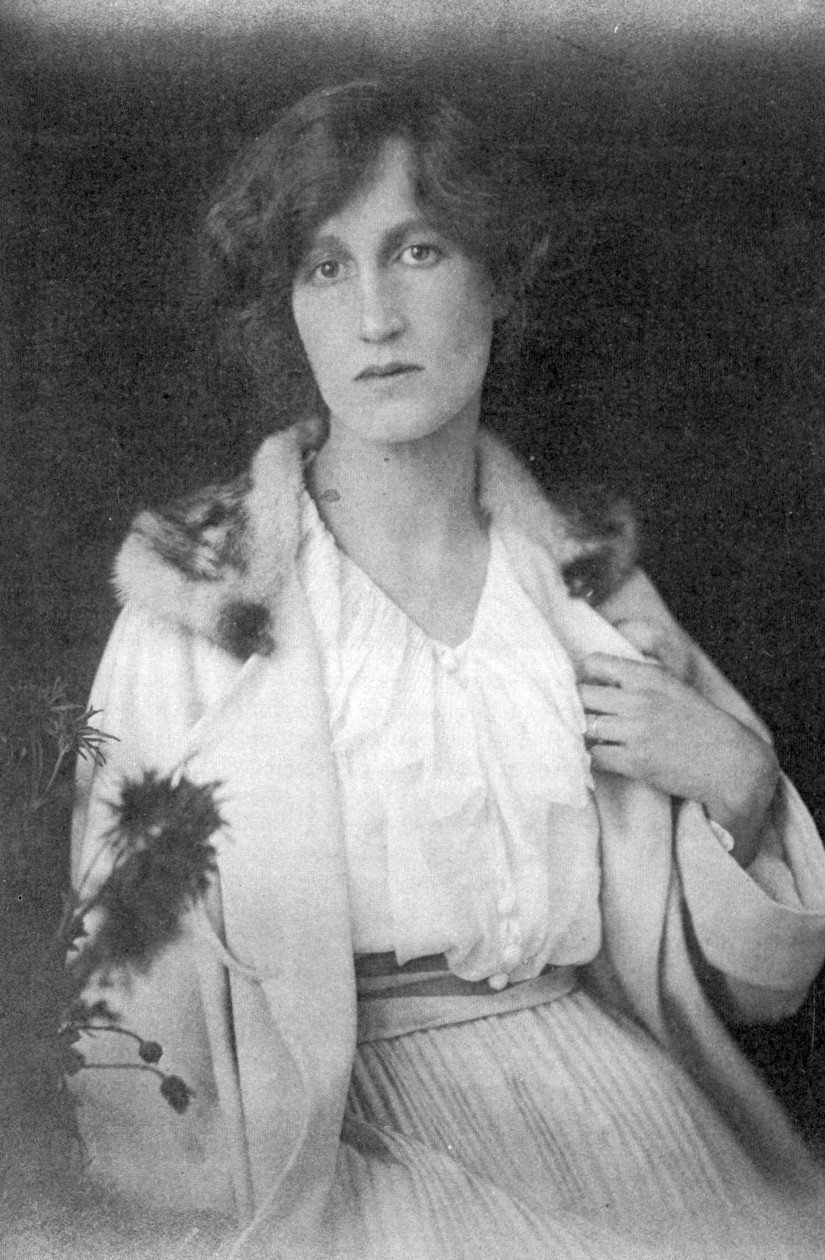
Violet Asquith
She followed the proceedings with anxiety, noting the 'Jewish conspiracy' rumours.

Lord Fisher
He viewed the scandal through the lens of naval politics.
Fun Fact
When summoned before the Select Committee, Winston Churchill declared that anyone repeating such a statement without evidence was 'a liar and a slanderer'.
Sources
- • The Asquiths Book
- • Churchill Cabinet Papers (1911–1914)
- • Naomi Levine
- • Violet Asquith Diaries