The Home Rule Crisis
The Home Rule crisis of 1912–1914 arose from the Liberal government’s Third Home Rule Bill, which proposed an Irish parliament in Dublin. Although the Parliament Act of 1911 limited the House of Lords to delaying the bill, this window allowed fierce opposition in Ulster to organize armed resistance under Sir Edward Carson, backed by Conservative leader Bonar Law, bringing Britain close to civil war amid events such as the Curragh Mutiny and the Larne gun-running. Prime Minister Asquith attempted compromise by allowing Ulster counties to opt out temporarily, but negotiations collapsed over which areas would be excluded, and the Buckingham Palace Conference of July 1914 failed to resolve the crisis. The outbreak of the First World War suspended the conflict: Home Rule passed into law but was postponed for the duration of the war, leaving the fundamental problem unsettled.
The Home Rule Crisis
Ireland on the brink of civil war, and the political firestorm consuming Asquith's government.
Chapter Timeline
Key events in chronological order
Prime Minister Asquith introduces the Third Home Rule Bill.
Signing of the Ulster Covenant.
The 'Curragh Mutiny'.
Larne Gun-running.
Buckingham Palace Conference.
Bachelor's Walk incident.
Home Rule Bill receives Royal Assent but is suspended.
The Easter Rising begins in Dublin.
Character Perspectives(How each character saw that)
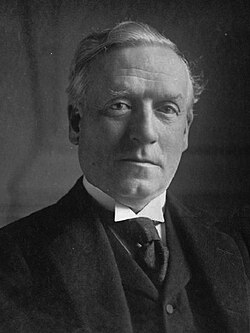
H.H. Asquith
He viewed the crisis as a 'surfeit of problems and worries.'

Winston Churchill
Initially a strong proponent, he later sought conciliation.

John Redmond
The Nationalist leader who pushed for the bill but faced pressure from extremists.

Sir Edward Carson
The Unionist leader who organised Ulster's resistance.

Andrew Bonar Law
Conservative leader who supported Ulster resistance to the limit.
.jpg)
King George V
Deeply anxious and 'fussing' about the prospect of civil war.
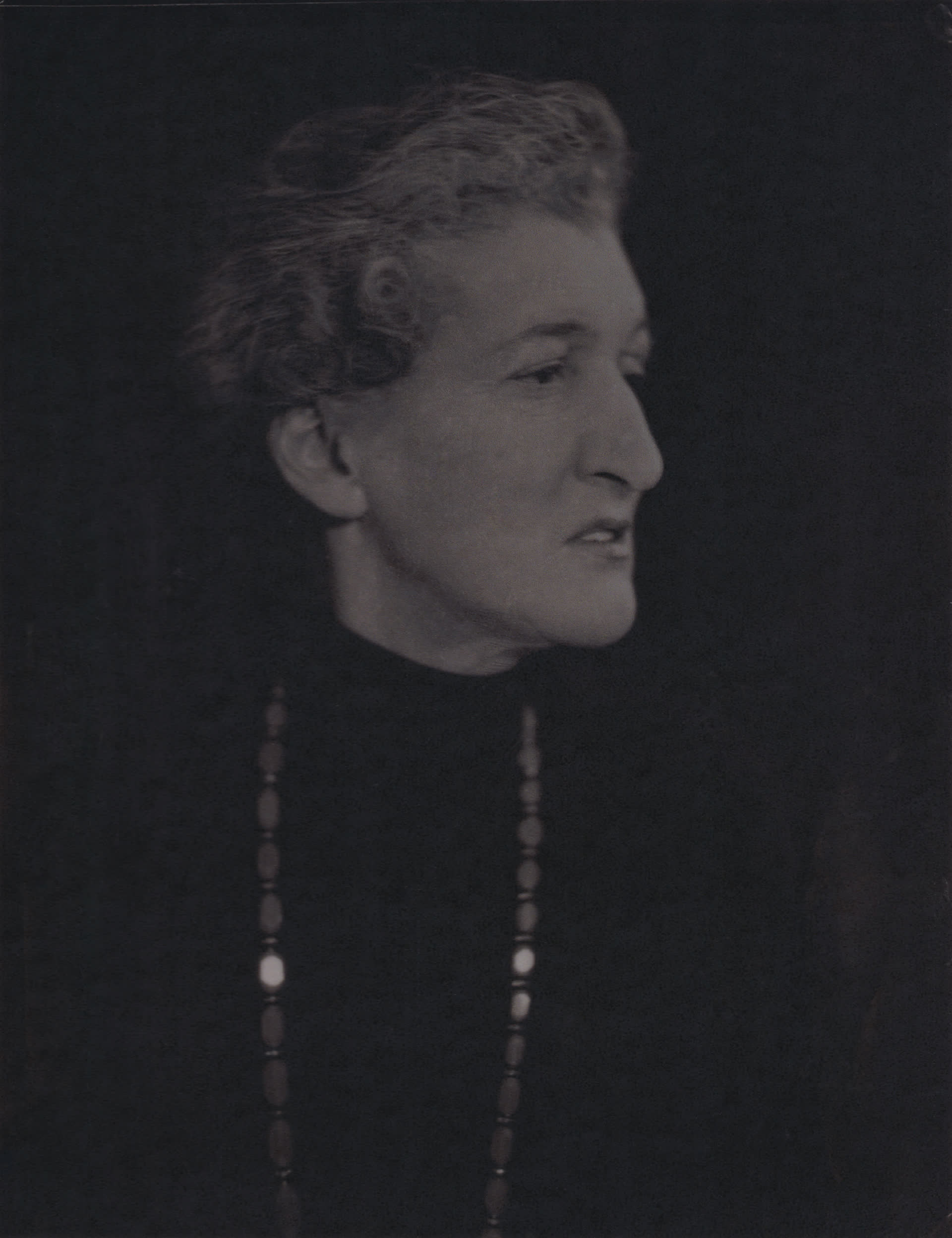
Margot Asquith
She 'hated Home Rule' historically but tried to mediate.

Edwin Montagu
He supported Home Rule but found the problem 'insoluble.'
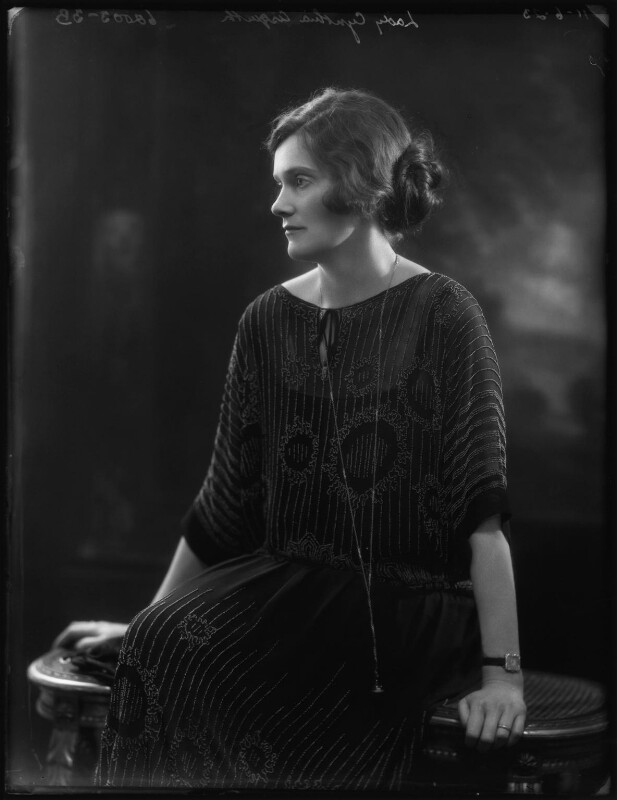
Cynthia Asquith
She witnessed the 1916 Rising while in Dublin.
Fun Fact
A Protestant Liberal named his son 'Winston' in honour of Churchill's valour.
Sources
- • The Asquiths Book
- • Churchill Cabinet Papers (1911–1914)
- • Asquith Letters