The Fisher-Churchill Crisis
The Fisher–Churchill crisis stemmed from deep strategic disagreements over the Dardanelles campaign, with Winston Churchill pressing the operation and Lord Fisher opposing it in favor of defending home waters. As the campaign faltered and Churchill continued to divert naval resources, tensions peaked in mid-May 1915, leading Fisher to resign dramatically on May 15 and refuse to return despite a direct order from Prime Minister Asquith issued in the King’s name. Fisher then demanded sweeping conditions for his return, including control of naval strategy and Churchill’s removal from the Cabinet, which Asquith dismissed as untenable. The resignation made the Liberal government’s position impossible to sustain, forcing Asquith to form a Coalition Government, remove Churchill from the Admiralty, and permanently exclude Fisher from command.
Fisher vs. Churchill
The explosive clash between the First Sea Lord and the First Lord of the Admiralty that rocked the war effort.
Chapter Timeline
Key events in chronological order
Lord Fisher is appointed First Sea Lord.
Fisher resigns.
Fisher sends Asquith his 'Six Conditions'.
Fisher leaves for Scotland; Churchill leaves the Admiralty.
Character Perspectives(How each character saw that)

Lord Fisher
He believed the Dardanelles was draining vital resources from the North Sea.

Winston Churchill
He believed the Dardanelles offered a path to victory.
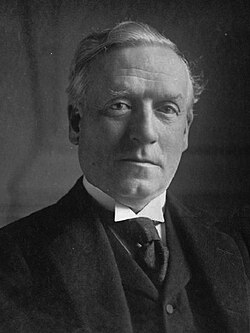
H.H. Asquith
He viewed Fisher's desertion as 'traitrous'.
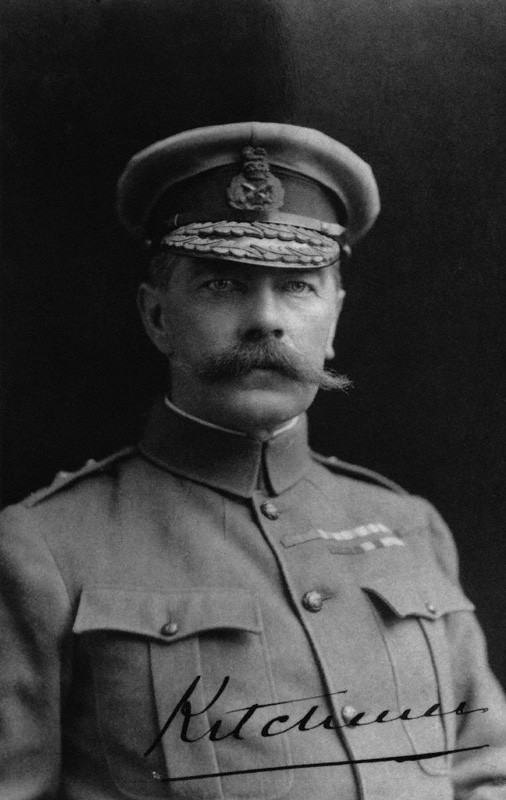
Lord Kitchener
He resented the naval withdrawal.

Andrew Bonar Law
He used Fisher's resignation to demand a Coalition Government.

Clementine Churchill
She fiercely defended her husband.
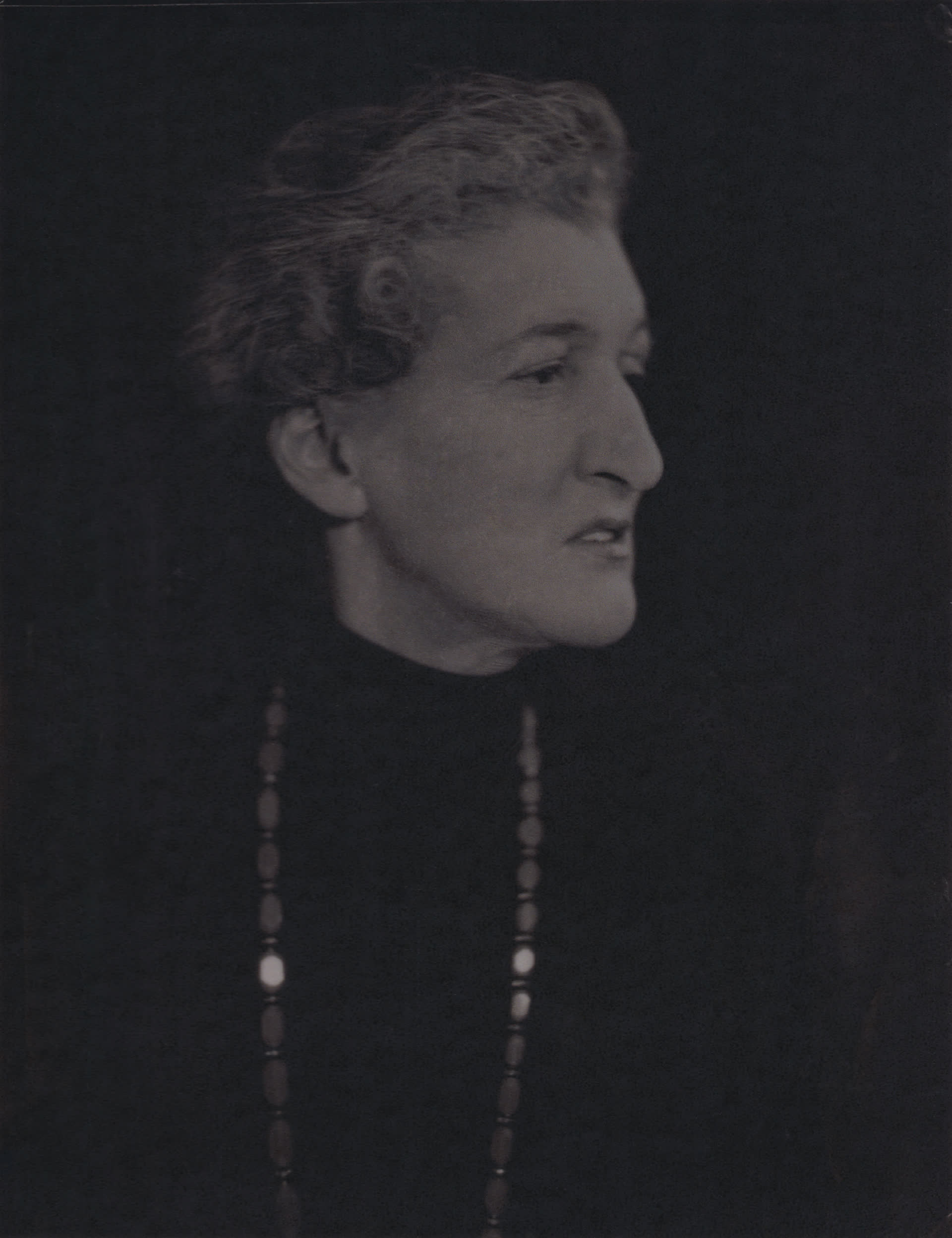
Margot Asquith
She considered Fisher 'an alien in our midst'.
Fun Fact
Lord Fisher sent an ultimatum to the Prime Minister demanding 'absolutely untrammelled sole command'.
Sources
- • Churchill Cabinet Papers (1914–1915)
- • The Asquiths Book