Historical Profile

Franz von Papen

German politician, diplomat, and former chancellor. This page maps the key moments, miscalculations, and political maneuvers that made him a central figure in Weimar's collapse.

Chancellor (1932)·Vice Chancellor (1933-1934)

Companion Podcast

Listen to the complete four-part series while you explore the timeline.

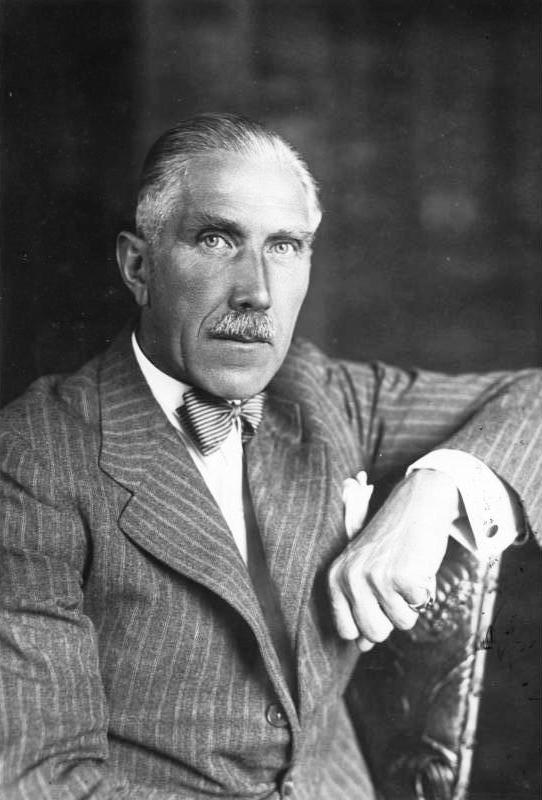
Portrait of Franz von Papen

Biography

The Life of Franz von Papen

A vertical dossier of the career milestones that connected elite conservatism, emergency rule, and authoritarian takeover.

01

Oct 29, 1879

Born in Werl

Papen was born into an aristocratic Roman Catholic family in Westphalia.

Read more ↓

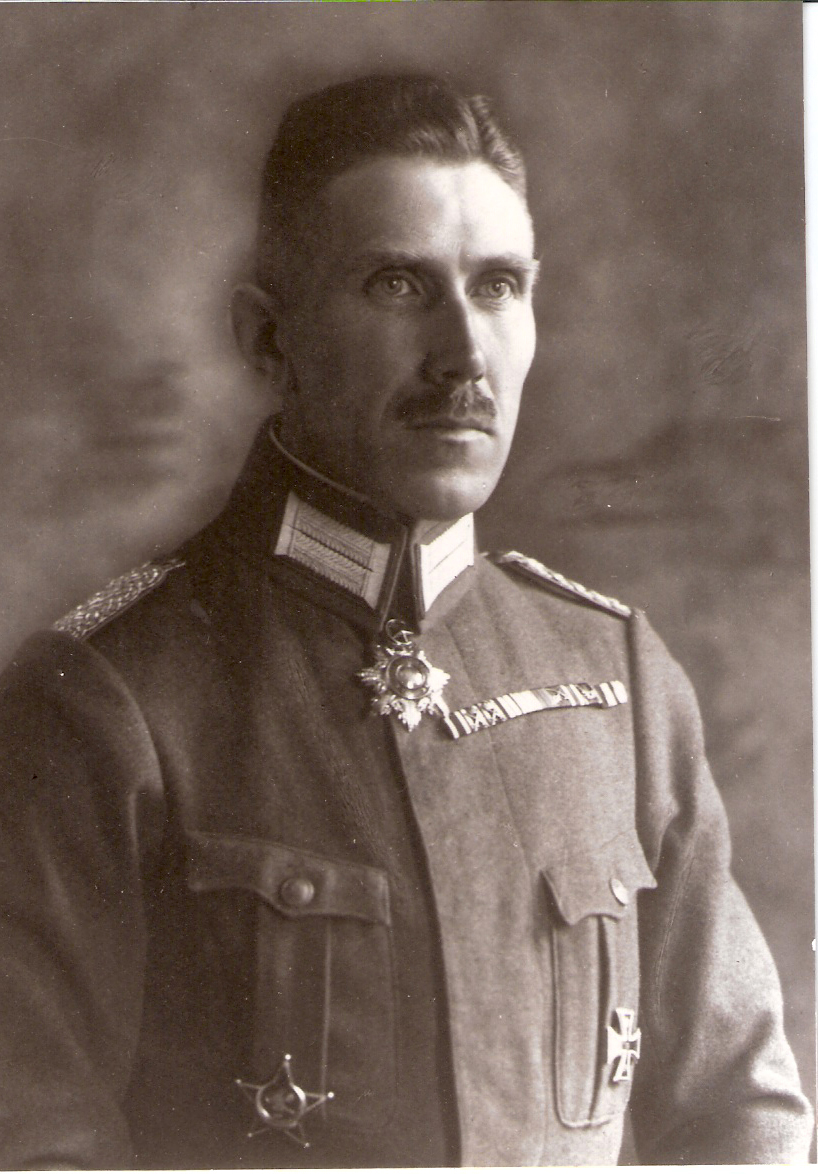
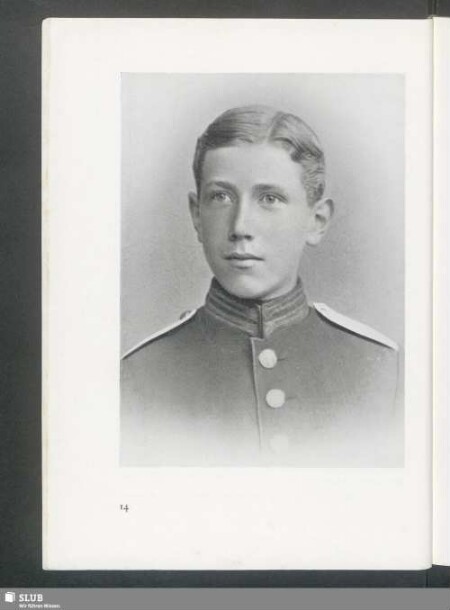
Portrait of a young Franz von Papen in military uniform

Guided into a military career by his father, he learned the military discipline, bearing, and loyalty to the monarchy that shaped his political future.

Papen consistently framed his role as a duty to preserve the conservative order.
02

1913 - 1915

Washington Attaché

He served as the German military attaché in the United States until his expulsion.

Read more ↓

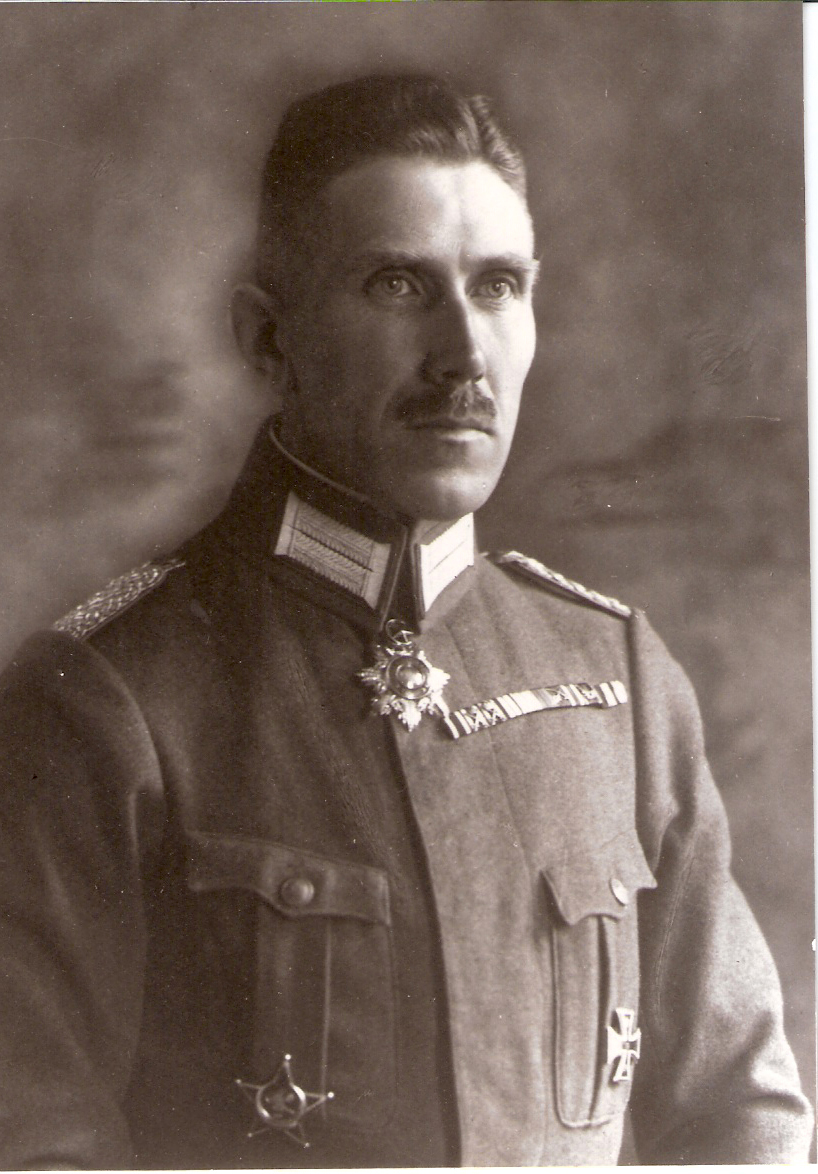
Franz von Papen in formal military uniform with Pickelhaube

The posting gave Papen access to diplomatic circles, but he was expelled in 1915 for directing anti-Allied espionage and sabotage operations.

Check stubs documenting agent payoffs were confiscated from his luggage, causing public embarrassment.
03

1921

Entering Politics

Papen traded the life of a country gentleman for a seat in the Prussian state diet.

Read more ↓

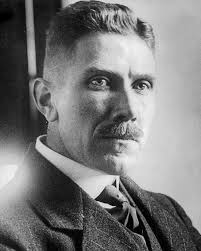
Papen in a suit and tie, looking stern and formal

Representing the Catholic Center party, he advocated for agricultural interests but held narrow, extreme views that rejected parliamentary democracy.

He believed true political leadership had to come from an experienced, authoritarian ruling elite.
04

June 1, 1932

Chancellor of Germany

President Hindenburg appointed the little-known Papen to form a national government.

Read more ↓

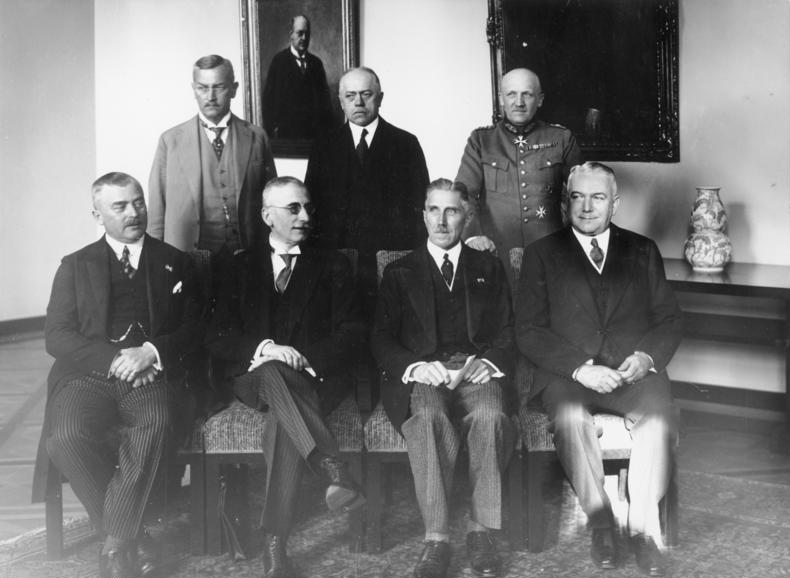
Franz von Papen posing with his cabinet members in 1932

Papen formed the 'Cabinet of Barons,' composed largely of nobility, which bypassed the Reichstag and governed using presidential emergency decrees.

General Kurt von Schleicher orchestrated the appointment, intending to use Papen as a figurehead.
05

July 20, 1932

The Prussian Coup

Papen ousted the elected Social Democratic government of Prussia, Germany's largest state.

Read more ↓

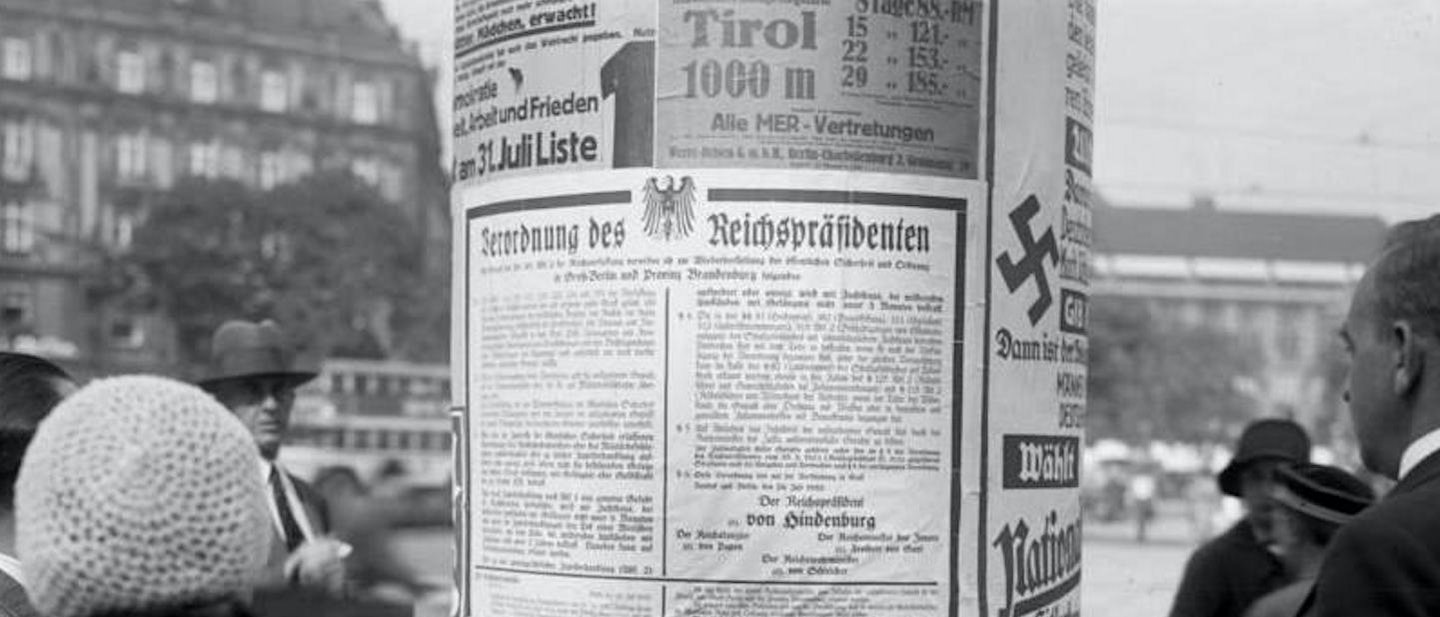
A German street column in 1932 displaying a presidential emergency decree by Paul von Hindenburg alongside Nazi election posters.

Using the pretext of restoring public order after street riots, Papen invoked an emergency decree to depose the state government and name himself Reich Commissioner.

A German street column in 1932 displaying a presidential emergency decree by Paul von Hindenburg alongside Nazi election posters.
06

Jan 30, 1933

Hitler's Vice-Chancellor

Papen masterminded the appointment of Adolf Hitler as Chancellor of Germany.

Read more ↓

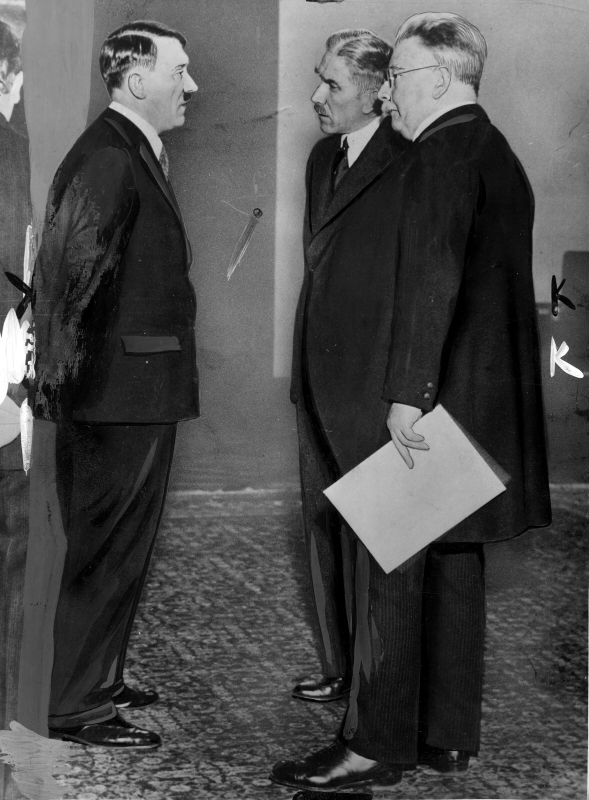
Franz von Papen, Hugenburg, and Adolf Hitler side-by-side

Determined to regain power after losing the Chancellorship, Papen negotiated a coalition making himself Vice-Chancellor, believing his conservative allies could control Hitler.

Papen famously predicted: 'In two months we’ll have pushed Hitler into a corner so hard he’ll be squeaking'.
07

June 17, 1934

The Marburg Speech

Papen delivered a public address calling for an end to the Nazi reign of terror.

Read more ↓

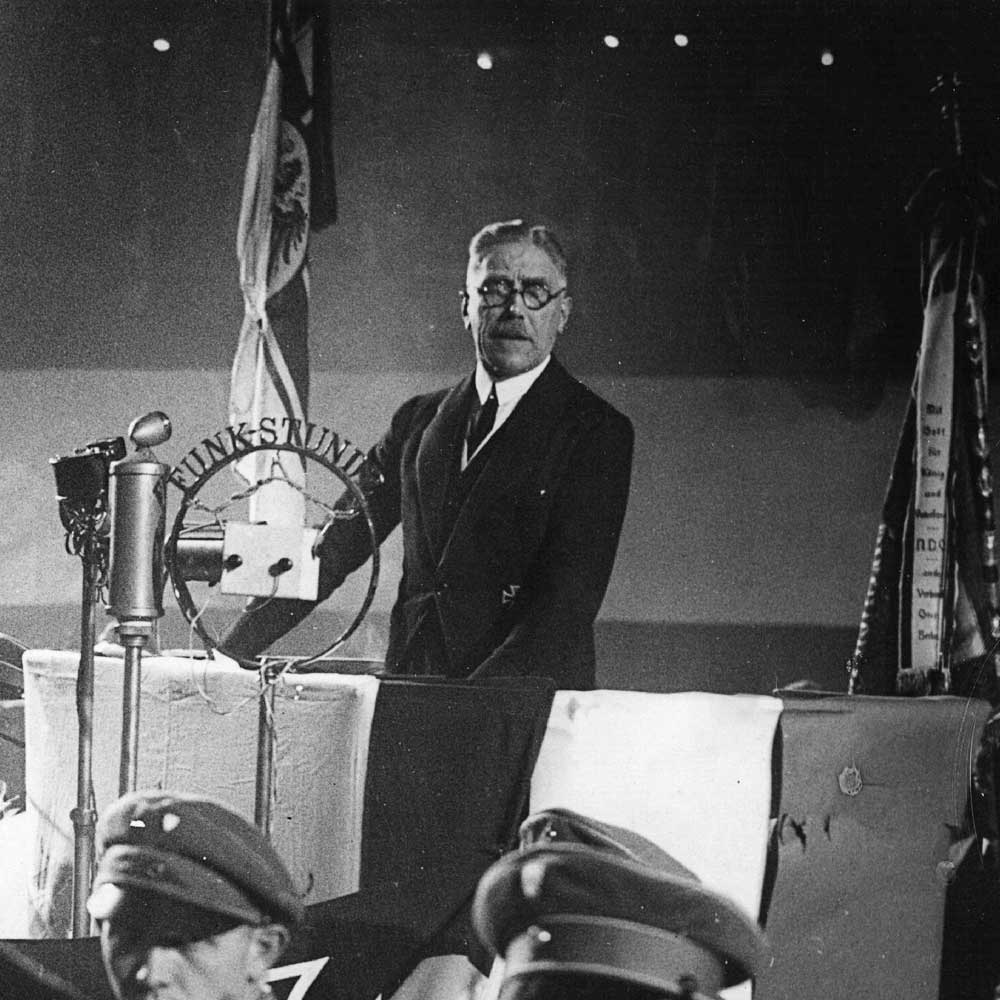
Franz von Papen delivering a radio address at a podium

Drafted by his advisors, the speech warned against a 'second revolution' and criticized those mistaking brutality for vitality.

The speech infuriated Hitler; weeks later, Papen's close associates were murdered during the Night of the Long Knives.
08

July 26, 1934

Minister to Austria

Following the assassination of Austria's Chancellor, Papen was appointed Minister to Vienna.

Read more ↓

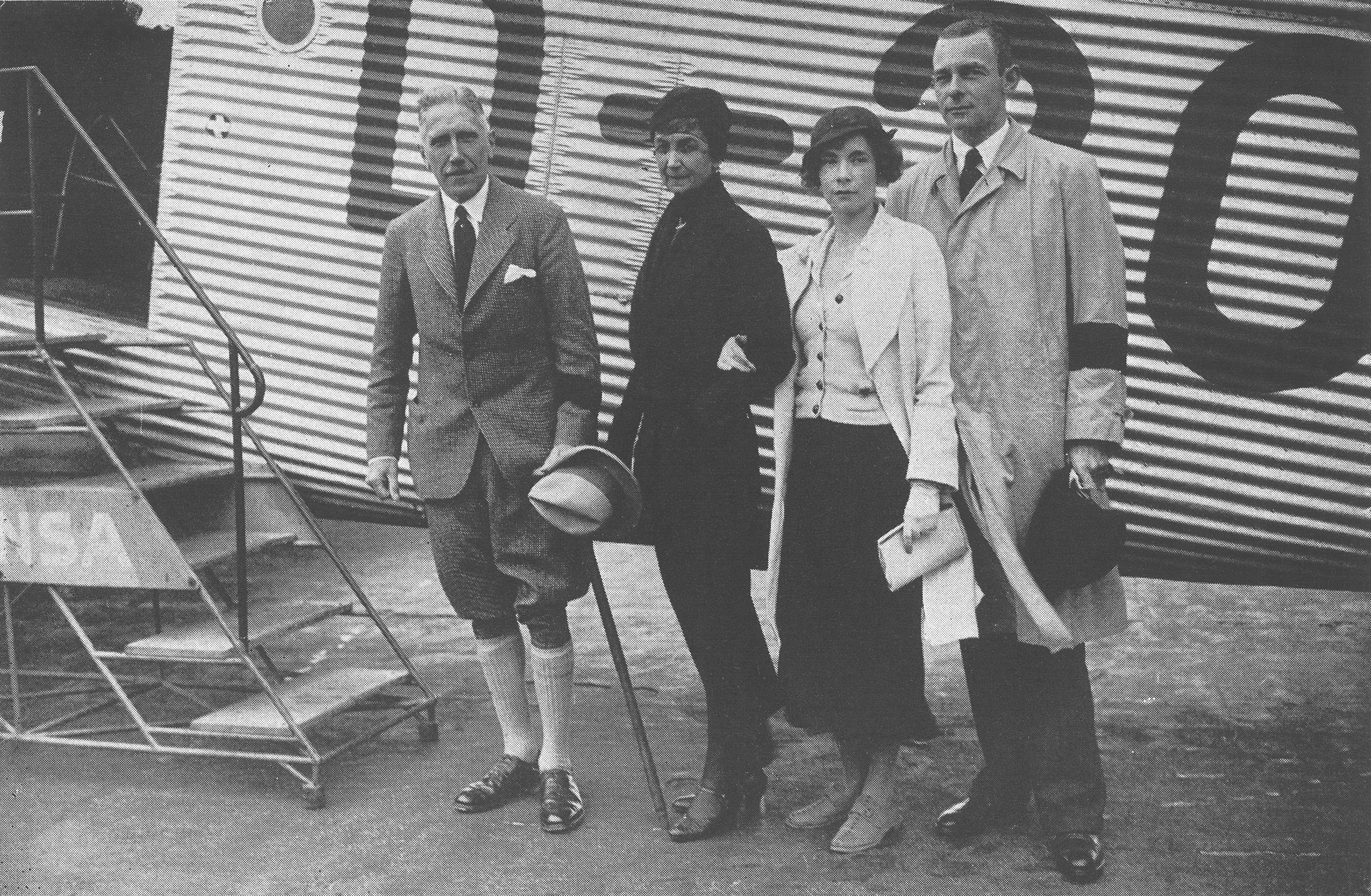
Franz von Papen and his wife before flying to Austria

Despite the murder of his own staff, Papen accepted the post and worked to undermine the Austrian government and strengthen local National Socialists.

His years of diplomatic intrigue and bullying paved the way for the 1938 annexation of Austria (Anschluss).
09

April 29, 1939

Ambassador to Turkey

Papen was appointed Ambassador to Turkey, a position he held throughout most of WWII.

Read more ↓

Franz von Papen in a gray coat and hat during his diplomatic years

In Ankara, he eagerly resumed espionage activities, providing Germany with vital intelligence while attempting to persuade Turkey to join the Axis alliance.

He returned to Germany only when Turkey broke off diplomatic relations in August 1944.
10

Oct 18, 1945

The Nuremberg Trials

Papen was indicted by the International Military Tribunal on charges of crimes against peace.

Read more ↓

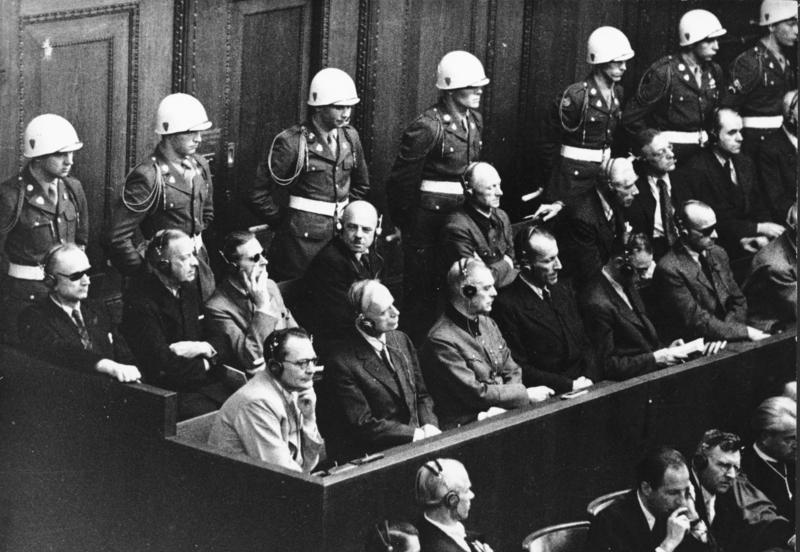
Franz von Papen at the Nuremberg Trials

The Tribunal found that while he used 'intrigue and bullying' in Austria, his actions were offenses against political morality rather than legally definable war crimes, leading to his acquittal.

He later spent time in a denazification labor camp before dedicating his final years to writing his memoirs.

Frequently Asked Questions

What happened to Franz von Papen after WWII?

He was tried at Nuremberg in 1946 and acquitted by the International Military Tribunal. A later German denazification court sentenced him in 1947 to eight years in a labor camp, but he was released early in 1949.

Why was von Papen unpopular?

Many Germans saw him as an anti-democratic elite politician who tried to rule without parliament, helped undermine the Weimar system, and enabled Hitler's rise to power in 1933.

Why was von Papen forced to resign as chancellor?

By late 1932, Papen had little support in the Reichstag and lost backing within conservative power circles. President Hindenburg replaced him with Kurt von Schleicher in December 1932.

Who was Hitler's vice chancellor?

Franz von Papen served as Vice Chancellor from January 30, 1933 until August 7, 1934, during the first phase of Hitler's rule.

How did Papen help Hitler gain power?

After losing the chancellorship, Papen sought revenge against his successor. He brokered a backroom deal to make Hitler Chancellor and himself Vice-Chancellor, fatally miscalculating that his conservative faction could control Hitler.

Why was he expelled from the United States?

While serving as a diplomatic attaché in Washington D.C. between 1913 and 1915, Papen was caught funding and directing espionage and sabotage operations against the Allies during WWI.

What was the 'Cabinet of Barons'?

It was the nickname for Papen's 1932 government. Because he had almost no support in parliament, he filled his cabinet with aristocratic, conservative elites and ruled primarily through presidential emergency decrees.

What was the Marburg Speech?

In June 1934, Papen delivered a speech at the University of Marburg publicly criticizing the violence and extremism of the Nazi regime. The speech infuriated Hitler and led to the immediate suppression of its publication.

Did Papen survive the Night of the Long Knives?

Yes, but narrowly. Just weeks after his Marburg Speech, Hitler purged his political rivals. While Papen was placed under house arrest and spared due to his close relationship with President Hindenburg, several of his closest aides were murdered.